


Black vs Brown Wallet: Which Color Should You Choose?
Choose a black wallet if you dress formally, work in a conservative office or want the most polished look. Choose brown if you wear denim, khaki and earth tones, want a wallet that tolerates mixed shoe and belt colors, or like leather that gains character as it ages. If you can only buy one, brown is the more forgiving first purchase. Both colors last equally long in full-grain leather: color changes how wear looks, not how long the wallet holds up.

Black or brown is the first color decision most people make when they buy a leather wallet, and it usually comes before any question of format or brand. Both work. Both age well in full-grain vegetable-tanned leather. The right answer depends less on which color is better and more on how you dress, what you already own and how much you want your wallet to show the years you carry it. The same logic applies to belts and watch bands, so this guide covers all three.
Picks to go with this guide

Small Brown Leather Wallet for Women
5 card slots plus ID window, coin zip, RFID lining
View product →
Small Brown Leather Zip-Around Wallet for Women
5 card slots, bill zip, RFID lining, zip-around closure
View product →
Dark Brown Leather Bifold Wallet for Men
6-12 cards, RFID blocking, flat bill section
View product →Black vs Brown Wallet: Side-by-Side
| Factor | Black | Brown |
|---|---|---|
| Formality | Most formal; default for suits and business settings | Business-casual to casual; dark brown works with a suit |
| Versatility | Goes with everything in a bag or pocket | Pairs with denim, khaki, navy, olive; tolerates black nearby |
| How it ages | Deepens quietly; scuffs show as lighter marks | Darkens and warms; marks read as patina |
| Shows dirt and dust | Dust and light marks show more | Hides most everyday marks |
| Matching rules | Stricter; looks best with black shoes and belt | More forgiving with mixed leathers |
| Durability | Same in full-grain leather | Same in full-grain leather |
| Best first purchase if | Your wardrobe is mostly black and formal | Your wardrobe is mixed or casual |
The Case for a Black Wallet
Black is the more formal of the two colors, and it reads that way in nearly every context: a black wallet with a black suit, a black belt with black dress shoes, a black watch band under a dark cuff. It is the safer choice in workplaces with a formal dress code and wherever black leather is the unspoken default for business accessories.
Black also pairs with every bag color. If you switch between several bags, a black wallet never looks out of place inside any of them. The trade-off is that black asks more of the rest of your leather. A black belt or watch band looks noticeably out of place next to brown shoes, so committing to black often means committing to black across your accessories.
The Case for a Brown Wallet
Brown is the more versatile of the two because it tolerates more variation around it. It pairs naturally with denim, khaki, navy and olive in a way black rarely does, which makes it the stronger choice if your wardrobe leans casual. A brown wallet also looks fine next to black shoes, and because a wallet usually stays in a pocket or bag, nobody is checking whether it matches your belt. Our guide on wearing a black wallet with brown shoes or a brown belt covers the mixed case in more detail.
There is a material argument too. Full-grain vegetable-tanned leather builds its richest, most visible patina in brown tones. The color deepens and warms with handling, so a brown wallet looks more distinctive after a few years than it did new. Our guide to how leather develops patina explains the process.
How Black and Brown Age Differently
Black leather ages quietly. The surface starts dark, so patina is less dramatic, and scuffs and worn corners show up as lighter marks against the black. Some people read that as worn rather than aged.
Brown does the opposite. High-contact areas such as the corners, the fold and the card slot edges darken and deepen instead of lightening, so the marks from years of handling read as character. If you want a wallet that looks visibly better with age rather than simply older, brown does that more reliably. Neither color is more durable: leather grade decides how long a wallet lasts, and full-grain vegetable-tanned leather performs the same structurally in either dye.
Black vs Brown for Work, Casual and Evening
- Office and business: black is the default, and dark brown is accepted in most business-casual offices.
- Weekend and casual: brown looks more natural with denim, chinos and casual jackets.
- Evening and formal events: black, especially with a black suit or tuxedo.
- Travel: either works; black is easier to pair with mixed bags, and brown hides daily wear better.
Matching Shoes, Belts and Watch Bands
The traditional rule says your belt should match your shoes, and your watch band should match both. That still holds in formal settings but has loosened for everyday wear. A dark brown belt with black shoes reads as intentional to most people, especially when the rest of the outfit is neutral. A black tie event or a client meeting in a conservative industry is still the place to keep black leather goods consistently black.
Where matching matters most is hardware. A gold buckle or gold watch case tends to look better against brown leather, while silver, gunmetal and stainless steel suit both colors. If you already own black leather with silver hardware, adding brown pieces with the same hardware finish keeps everything coordinated. For more on building a brown set, see how to match brown leather accessories.
Black or Brown: How to Decide
Choose black if:
- You dress formally most days or work in a conservative office.
- Your bags, shoes and belts are mostly black.
- You want one wallet that suits every bag color.
Choose brown if:
- You wear denim, khaki and earth tones most of the week.
- You own both black and brown shoes or bags.
- You want a wallet that develops visible patina.
Brown is also a reasonable default if you are unsure, because a brown wallet tolerates more mismatching around it than a black one does.
Can You Own Both?
Most people who care about their accessories end up with leather goods in both colors, and that is a reasonable outcome rather than a compromise. Choose one color as your everyday option and the other for formal or occasional use. Many people keep a black wallet or belt for formal wear and let brown cover the rest of the week. Our brown leather collection and men's leather wallets collection both include a range of formats. If you are choosing between brown shades, see our light brown vs dark brown vs tan guide, and for a broader comparison across every color read our guide to choosing the right wallet color.
More picks from the same range

Dark Brown Leather Dress Ratchet Belt with Brushed Hollow Buckle - 1.15"
Refined formal look, micro-adjustable, interchangeable buckle
View product →
Large Brown Embossed Leather Wallet for Women
19 cards, coin zip, boarding pass compartment, ID window, RFID lining.
View product →
Tan Leather Watch Band With Quick Release Bars
Fits straight-lug watches at 18mm, 20mm, 22mm, and 24mm.
View product →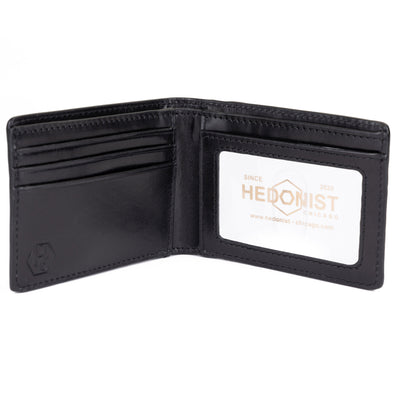
Leave a comment