Handmade Leather Goods: Why Craftsmanship Still Matters in 2026
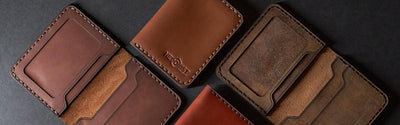
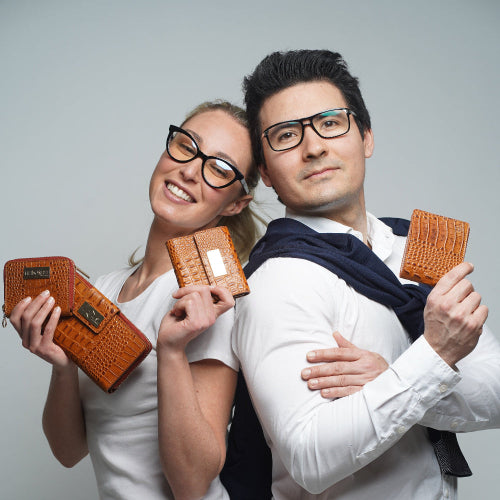
Handmade leather goods represent a fundamental choice about production values and product longevity that extends beyond simple manufacturing methods. These handcrafted leather accessories combine traditional hand-stitching techniques with full-grain materials selected specifically for their aging characteristics and durability. Our handmade leather goods collection brings together work from carefully selected artisan workshops across several countries, each chosen for their commitment to construction quality and material standards that mass production cannot replicate. The result is a curated selection of handmade wallets, handmade key chains, handmade card holders, handmade passport cases, and other leather goods handmade with techniques creating accessories that develop distinctive character through years of daily use rather than requiring replacement when inferior construction fails.
The distinction between handmade and mass-produced leather accessories matters more than marketing terminology suggests. Hand-stitching creates stronger seams than machine stitching through using thicker thread and saddle stitch techniques that distribute stress across larger areas. Small-batch production in artisan leather goods allows attention to material selection and construction details that factory efficiency requirements eliminate. These handcrafted leather workshops maintain quality standards through direct accountability impossible in large-scale manufacturing where individual craftspeople never see finished products or customer feedback. These differences compound into handmade leather products that function reliably for decades versus those requiring replacement after minimal use.
This guide examines what separates genuine handmade leather crafts from items claiming artisan production while using factory methods, material selection appropriate for hand-sewn leather techniques, construction quality indicators visible to informed buyers, and how different custom handmade leather accessories serve specific functional needs. Whether you're selecting your first handmade piece or expanding an existing collection of handmade leather items, understanding these distinctions helps identify work worthy of the handmade designation and the premium pricing quality handcrafted leather goods command.
Understanding Handmade Construction Methods
Hand-Stitching vs Machine Stitching Fundamentals
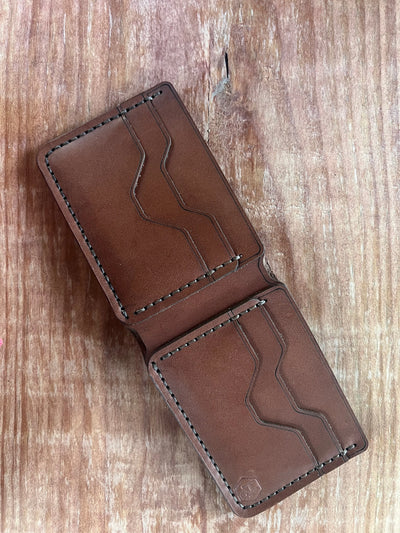
Hand-stitching in artisan leather wallets and accessories uses saddle stitch technique where two needles on opposite ends of waxed thread pass through the same holes from different directions, creating interlocking pattern that remains secure even if thread breaks at specific points. This hand sewn leather construction contrasts with machine lock-stitch where thread breakage at any point allows the entire seam to unravel progressively. The saddle stitch technique requires pre-punching stitch holes with spacing appropriate for the leather thickness and intended use, then manually passing needles through each hole in sequence.
The thread used in handcrafted wallets and handmade leather products measures significantly thicker than machine thread, often three to four times the diameter of standard machine stitching thread. This thickness provides durability advantages in premium handmade leather goods through having more material resisting wear and stress at each stitch point. The wax coating serves dual purposes: it waterproofs the thread preventing moisture-related deterioration while providing lubrication that allows smooth passage through leather without excessive friction that would weaken fibers over time.
Stitch spacing in handmade full grain leather accessories typically ranges from 3-4mm for fine work on handmade card holders and small handmade leather items to 5-6mm for heavier construction on handcrafted leather wallets and bags. This spacing represents compromise between seam strength, which improves with closer spacing, and leather integrity, which suffers if holes are punched too densely. Craftspeople in artisan leather goods workshops adjust spacing based on leather thickness, item purpose, and stress the seam will experience during use, creating customization impossible in automated production where single spacing setting serves all applications.
Small-Batch Production Advantages in Artisan Workshops
Small workshop production of handmade leather accessories allows material inspection and selection impossible in factory settings where efficiency requirements prevent examining individual hides for optimal characteristics. Craftspeople creating handcrafted leather goods select leather pieces based on grain pattern, thickness consistency, and absence of defects that would compromise construction or appearance in handmade leather products. This selection process eliminates material that would pass factory quality control but proves suboptimal for custom handmade leather items intended to last decades rather than seasons.
The production pace in artisan leather workshops permits construction adjustment based on how specific leather pieces behave during work. If leather proves stiffer than expected, craftspeople creating handmade leather crafts modify stitch spacing or edge treatment to accommodate the material's actual characteristics rather than forcing it through standardized processes. This flexibility creates finished handmade leather goods optimized for their specific materials rather than products where materials must conform to inflexible manufacturing requirements regardless of optimal results.
Quality control in small handcrafted leather workshops operates through direct accountability where craftspeople see finished products and receive customer feedback about handmade leather items they personally constructed. This creates different incentives than factory production where individual workers handle single construction steps on items they never see completed. The direct connection between craftsperson and finished handmade product encourages construction standards that prioritize long-term durability over manufacturing efficiency in these luxury handmade leather pieces.
We work with select artisan workshops across several countries, each chosen for their commitment to hand-stitching techniques and material quality standards in handmade leather goods. These aren't large factories but small operations where experienced craftspeople personally handle each handcrafted leather piece from material selection through final finishing. The production volumes remain modest because genuine hand construction of handmade leather products simply cannot match factory output. However, this limitation ensures the attention to detail and construction quality that justifies choosing handmade over mass-produced alternatives.
Material Selection for Handmade Leather Accessories
Why Full-Grain Leather Matters More in Handmade Items
Full-grain vegetable-tanned leather represents the only appropriate material for handmade leather wallets and handcrafted leather accessories intended for multi-decade service life. The natural grain surface in handmade full grain leather contains the strongest fibers the hide offers, providing durability that justifies the labor investment hand construction of artisan leather goods represents. Lesser leather grades fail at stress points or develop surface deterioration that makes replacement necessary despite hand-stitched seams remaining intact, wasting the craftsmanship investment in handmade leather construction that outlasts the materials.
Vegetable tanning specifically suits handmade leather products because the process creates leather that accepts hand-stitching without the stiffness or chemical residue that interferes with traditional techniques used in artisan leather crafts. The natural tannins preserve leather flexibility while maintaining strength, allowing craftspeople to work material using methods developed over centuries for creating handcrafted leather goods. Chrome-tanned leather may prove adequate for machine construction where speed matters more than optimal material characteristics, but handmade production deserves materials that complement rather than compromise traditional techniques in premium handmade leather items.
Leather thickness selection for handmade leather accessories involves matching material weight to intended purpose and construction method. Handmade card holders typically use 1.5-2mm leather providing structure without excessive bulk. Handmade leather wallets use 2-3mm material balancing durability with flexibility necessary for comfortable pocket carry. Heavier handmade leather items like handmade key holders or handmade passport cases may use 3-4mm leather where structure matters more than minimal thickness. These thickness variations in artisan leather goods reflect functional requirements rather than manufacturing convenience.
Hardware Quality Standards in Handcrafted Leather
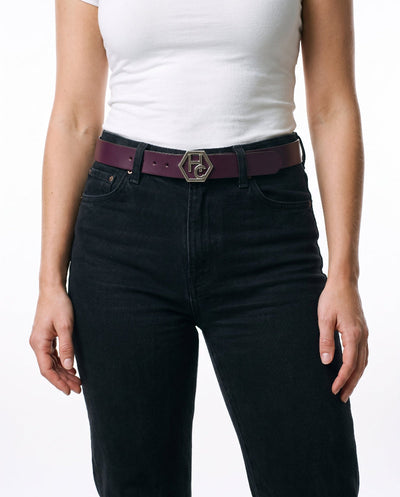
Hardware selection for handmade leather goods emphasizes solid brass, stainless steel, or other materials that maintain finish and function through decades of use in handcrafted leather accessories. Zinc alloy hardware common in mass production proves inadequate for custom handmade leather items where hand-stitched construction will outlast cheap metal components. The hardware investment represents small fraction of total material and labor cost in artisan leather goods but determines whether the handmade leather piece remains fully functional after the leather develops attractive patina or requires hardware replacement that may prove impossible without reconstruction.
Hardware attachment methods in handmade leather products use riveting or hand-set installation providing secure mounting that withstands the stresses handmade leather accessories experience during daily use. Machine-pressed hardware installation common in factory production often fails under stress that quality hand-set hardware in handcrafted leather goods handles easily. The attachment quality matters as much as hardware material quality for ensuring handmade leather items remain functional throughout their intended service life.
Handmade Leather Wallets and Everyday Carry Items
Construction Advantages in Daily Use Items
Handmade wallets benefit particularly from saddle-stitch construction because these handcrafted wallets experience constant stress from pocket insertion, removal, opening, and closing multiple times daily. The hand-stitched seams in artisan wallets distribute this stress across larger thread surface area while the interlocking stitch pattern prevents catastrophic seam failure if thread breaks at specific points. Machine-stitched wallets often fail at corner stress points where the continuous thread used in lock-stitch construction proves vulnerable to breakage that propagates along the entire seam in ways handmade leather wallets avoid.
The edge finishing on handmade leather wallets typically involves hand-burnishing creating sealed, smooth edges through friction and compound application rather than machine edge painting. This burnished finish in handcrafted leather wallets proves more durable than painted edges that chip or peel with the handling wallets experience during daily use. The hand-burnishing process also allows craftspeople to address each edge individually based on its exposure and stress patterns rather than applying uniform treatment regardless of specific requirements in these artisan leather wallets.
Card pocket construction in handmade wallets uses precise leather thickness selection and stitch placement creating pockets that retain cards securely without excessive tightness requiring force for insertion or removal. This balance in handcrafted wallets requires attention to how specific leather behaves when folded and stitched, adjustment impossible in automated production where standardized pocket dimensions must accommodate whatever leather the factory received regardless of its actual characteristics. Browse our handmade wallets collection for hand-stitched wallet options, and read our detailed handmade wallets construction guide for comprehensive information about wallet-specific craftsmanship techniques.
Small Leather Accessories Construction
Handmade card holders demonstrate construction precision most clearly because the compact size amplifies any alignment or stitching irregularities in these handcrafted card holders. Quality handmade card holder construction maintains parallel edges and consistent stitch spacing despite the small scale making precise work more challenging in artisan card holders. The leather selection for handmade card holders emphasizes firmness that maintains pocket structure while remaining supple enough for comfortable carry in pockets where excessive stiffness creates bulk. Explore our card holders collection for handmade options, and see our handmade card holders article for details about precision construction in minimal formats.
Handmade key chains require particular attention to hardware attachment because these handcrafted key chains experience significant stress from keys' weight and the leverage forces created during use. Quality construction in artisan key chains uses reinforced stitching at attachment points with leather thickness adequate for preventing tearing under the concentrated stress key rings create. The hardware itself in handmade key chains must be solid metal rather than plated alternatives that would corrode from exposure to moisture and oils keys collect during daily handling. View our key chains collection for durable handmade options, and read our handmade key chains guide for construction details specific to this demanding accessory category.
Handmade passport cases balance protection with minimal bulk, using leather thick enough to prevent damage to passports while remaining slim enough for practical travel carry. The construction in handcrafted passport cases must accommodate passport insertion and removal hundreds of times over the case's service life without seam failure or pocket loosening that would compromise document security. Hand-stitching proves particularly valuable in artisan passport cases because the seam strength prevents the pocket degradation that renders mass-produced cases unusable despite the exterior leather remaining intact. Browse our passport cases collection, and see our handmade passport cases article for travel-specific construction requirements.
Specialty Handmade Leather Items
Key Holders and Organization Accessories
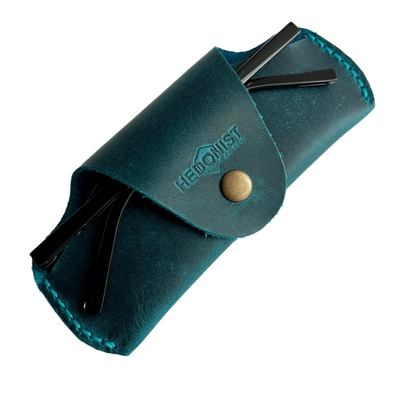
Handmade key holders serve distinct function from simple handmade key chains by organizing multiple keys in compact arrangement preventing the tangled mass loose key rings create. The construction in handcrafted key holders requires precise snap or closure hardware installation ensuring secure key retention while allowing easy access when needed. Quality handmade key holder construction uses leather thick enough to maintain structure despite daily manipulation while hardware attachment in artisan key holders uses reinforcement preventing the tearing that represents common failure point in this handmade leather item category. Explore our key holders collection, and read our handmade key holders guide for organizational construction techniques.
Travel Accessories
Handmade luggage tags withstand rough handling baggage systems inflict while remaining attractive enough for long-term use rather than disposable plastic alternatives. The construction in handcrafted luggage tags must secure identifying information visibly while protecting it from wear and water exposure during travel. Hand-stitched attachment of clear windows or information panels in artisan luggage tags proves more durable than adhesive methods common in factory production, ensuring the handmade tag remains functional throughout years of travel use. View our luggage tags collection, and see our handmade luggage tags article for travel durability requirements.
Device Protection
Handmade iPad holders provide protection combining padding with leather's natural durability, using construction that withstands daily insertion and removal while maintaining secure device retention. The hand-stitching in handcrafted iPad cases allows precise pocket sizing for specific device dimensions, creating snug fit preventing movement that would allow damage during carrying. Quality construction in artisan iPad holders includes reinforced corners and edges where impact stress concentrates, using techniques that distribute force across larger areas than machine stitching allows. Browse our iPad holders collection, and read our handmade iPad holders guide for device protection construction methods.
Home and Desk Accessories
Handmade leather coasters demonstrate traditional techniques applied to functional home items, using leather thick enough to provide surface protection while edge finishing prevents moisture penetration that would damage the leather. The construction in handcrafted coasters often features simple design emphasizing material quality and edge treatment craftsmanship rather than complex stitching, making handmade coasters excellent introduction to handmade leather goods for those new to the category of artisan leather products. Explore our coasters collection, and see our handmade coasters article for functional item construction approaches.
Our role involves curating work from artisan workshops we've personally vetted for construction quality and material standards in handmade leather goods. We don't claim to make these handcrafted leather items ourselves in Chicago. Instead, we partner with experienced craftspeople across several countries, each selected for their specific expertise and commitment to traditional techniques in handmade leather products. This approach allows us to offer broader variety than single-workshop production permits while maintaining quality standards through careful partner selection and ongoing quality verification of handmade leather accessories.
Identifying Quality in Handmade Leather Goods
Visual Quality Indicators in Handcrafted Leather
Stitch consistency reveals construction quality in handmade leather products more reliably than surface appearance. Examine stitch lines in handcrafted leather goods for uniform spacing and tension without thread looseness or excessive tightness that would stress the leather. The stitch holes in artisan leather items should align precisely without wandering that indicates casual workmanship. Hand-stitching in handmade leather goods typically shows slight irregularity compared to machine work, but this irregularity should involve minor spacing variation rather than obvious alignment problems or inconsistent tension in these handcrafted leather accessories.
Edge finishing quality in handmade leather items indicates overall construction standards because proper edge treatment requires skill and time that shortcuts eliminate. Quality edges in handcrafted leather goods feel smooth without roughness, appear sealed without visible layers or separation, and show uniform color without patchiness suggesting incomplete treatment. Run your finger along edges of handmade leather products feeling for smoothness and visual continuity indicating thorough finishing work in artisan leather goods.
Leather grain examination reveals material quality that construction quality of handmade leather accessories depends on. Full-grain leather in handmade products shows natural grain variation with pores visible under close inspection. The surface in handcrafted leather goods should feel substantial without the papery thinness characterizing corrected grain or genuine leather. Press the handmade leather firmly; it should resist indentation then recover rather than showing permanent marks indicating inadequate material quality in these premium handmade leather goods.
Functional Quality Assessment
Stress point examination in handmade leather goods reveals whether construction accounts for actual use requirements. Check corners, pocket openings, and hardware attachment areas in handcrafted leather accessories for reinforcement through extra stitching rows or thicker leather. These areas in artisan leather products experience concentrated stress during use and represent common failure points in items lacking adequate reinforcement. Quality construction in handmade leather items anticipates stress patterns and reinforces accordingly rather than using uniform construction regardless of varying stress requirements.
Hardware operation in handmade leather products should feel smooth and secure without excessive play or stiffness. Snaps in handcrafted leather goods should engage firmly with moderate pressure. Zippers in artisan leather accessories should operate smoothly without catching. Buckles should hold securely while releasing when intended. The hardware quality and installation in handmade leather items directly affect whether the piece remains fully functional as the leather ages or requires repair despite otherwise sound construction in handcrafted leather goods.
Care and Maintenance of Handmade Leather Items
Preserving Hand-Stitched Construction
The waxed thread used in hand-stitching of handmade leather goods resists moisture better than unwaxed alternatives but benefits from occasional rewaxing maintaining the protective coating. Leather wax or beeswax rubbed gently along exposed stitching in handcrafted leather accessories refreshes the waterproofing without requiring professional intervention. This simple maintenance extends thread life significantly in artisan leather goods by preventing the moisture-related deterioration that causes premature thread failure in handmade leather items that otherwise remain serviceable.
Regular leather conditioning maintains the suppleness full-grain vegetable-tanned leather in handmade products develops through use while preventing the drying that leads to cracking. Apply leather conditioner formulated for vegetable-tanned material every three to four months for frequently-used handmade leather accessories, less often for occasional-use handcrafted leather pieces. Work conditioner into the handmade leather using circular motions, allowing several hours for absorption before using the item. This conditioning prevents brittleness that would compromise the handmade leather despite hand-stitched seams remaining intact.
Storage and Protection
Store handmade leather goods in cool, dry locations avoiding direct sunlight that can fade natural leather dyes and dry leather excessively in handcrafted leather products. Use dust bags or cloth wrapping for handmade leather items in long-term storage, preventing dust accumulation while allowing air circulation necessary for leather health in artisan leather goods. Avoid plastic bags or airtight containers that trap moisture potentially causing mildew or mold growth on natural leather surfaces in handmade leather accessories.
For handmade leather products experiencing daily use, rotation extends individual piece life by allowing leather to rest between uses. This proves particularly valuable for handcrafted leather goods in humid climates where leather needs time to dry completely between wearings. Alternating between multiple handmade leather items prevents moisture accumulation that can damage leather structure despite proper construction and materials in artisan leather accessories.
The Value Proposition of Handmade Leather Goods
Cost vs Longevity Analysis
Handmade leather accessories cost significantly more than mass-produced alternatives initially, with handcrafted leather goods often two to four times factory-made equivalents. However, the service life difference in artisan leather products typically exceeds the price multiple. A handmade wallet lasting twenty years of daily use costs less annually than replacing factory wallets every two to three years despite lower individual purchase prices. The calculation favors handmade leather goods increasingly over time as replacement cycles compound for these premium handmade leather items.
The repair economics also favor handmade construction because quality handmade leather items justify professional repair when components wear while factory items rarely warrant repair investment. Hand-stitched seams in handcrafted leather goods can be re-stitched, hardware can be replaced, edges can be refinished, all while the fundamental handmade leather piece remains sound. Factory items typically reach irreparable condition before individual components warrant replacement, making disposal the only practical option despite potentially serviceable materials in ways handmade leather products avoid.
Aesthetic Development Over Time
Full-grain leather in handmade items develops patina creating visual depth and character impossible in corrected grain or synthetic materials used in mass production. High-contact areas in handcrafted leather goods darken attractively while protected areas maintain lighter tones, creating contrast that makes each handmade leather piece unique to its user. This aging characteristic in artisan leather products represents genuine value for items used daily over years, transforming new leather's uniform appearance into something distinctively personal in these handmade leather goods.
The visible hand-stitching in quality handmade leather accessories maintains attractive appearance as items age because properly executed saddle-stitch creates intentional design element rather than purely functional necessity. The stitching in handcrafted leather goods becomes part of the aesthetic rather than construction detail to hide, allowing handmade leather items to wear visibly while remaining attractive throughout their service life as premium handmade leather pieces.
Why Choose Our Handmade Leather Goods Collection
Our handmade leather goods collection represents curated selection from artisan workshops we've personally vetted for construction quality and material standards in handcrafted leather accessories. These partnerships span several countries, each workshop chosen for specific expertise and commitment to traditional hand-stitching techniques in handmade leather products. We don't manufacture these custom handmade leather items ourselves but rather function as quality curators ensuring every handmade leather piece meets standards justifying the handmade designation and premium pricing quality handcrafted leather goods command.
The artisan workshops we partner with maintain small production volumes because genuine hand construction of handmade leather accessories cannot match factory output without compromising the construction quality that makes handcrafted leather worth choosing. This creates limited availability for specific designs and color combinations in handmade leather goods, but ensures the attention to material selection and construction detail that distinguishes quality handmade work from items claiming artisan production while using factory methods for these handmade leather products.
Free personalization through hot stamping adds individual significance to already distinctive handmade leather pieces, with initials or meaningful dates appearing on surfaces appropriate to each handmade item type. This personalization transforms quality handmade leather accessories into meaningful personal items or thoughtful handmade leather gifts that communicate genuine consideration through both material quality and customization effort in these handcrafted leather goods.
Building a Collection of Handmade Leather Accessories
Starting a handmade leather goods collection benefits from choosing items you'll use daily rather than acquiring handcrafted leather pieces for completeness. A quality handmade wallet or handmade card holder used constantly develops the patina and personal significance that makes artisan leather goods meaningful while demonstrating the construction durability justifying the investment in handmade leather products. From this foundation, add handmade leather pieces serving genuine functional needs in your life rather than accumulating handcrafted leather items that duplicate existing capability or serve theoretical rather than actual requirements.
The initial cost concentration in few quality handmade leather goods serving daily needs proves wiser than spreading budget across many items of variable quality and uncertain use. Handmade construction specifically rewards frequent use through developing character and demonstrating durability advantages in handcrafted leather accessories. Pieces stored unused never justify their cost regardless of construction quality in artisan leather products, making thoughtful selection based on actual daily carry and use patterns essential for building meaningful collection of handmade leather items.
Visit our complete handmade leather goods collection to explore handmade wallets, handmade card holders, handmade key chains, handmade passport cases, and other handcrafted leather accessories combining traditional hand-stitching with full-grain vegetable-tanned leather. Each handmade leather piece represents work from carefully selected artisan workshops maintaining construction standards and material quality that justify choosing handmade over mass-produced alternatives. For a complete overview of our handmade collection philosophy and workshop partnerships, read our Hedonist Chicago handmade collection article. The collection demonstrates that genuine craftsmanship in handmade leather products remains relevant in 2026 not through nostalgia but through creating functional advantages factory production cannot replicate in these premium handmade leather goods.
Over 1,312 customers have reviewed Hedonist Chicago leather goods and rated us 4.78 stars on average.
This guide covers the full range of full grain leather goods in our handmade collection. Vegetable tanned leather goods develop richer patina and greater durability than chrome-tanned alternatives across every product category. Saddle stitch leather construction is the defining feature that separates genuine handmade leather work from factory production claiming artisan status. Hand stitched leather goods use interlocking thread patterns that maintain seam integrity even when individual threads wear. A leather goods guide that does not address construction method is incomplete - the difference between saddle stitch and machine lock stitch determines service life more than any other single factor. Leather craftsmanship at the level our artisan partners practice takes years to develop and cannot be automated. Artisan leather accessories chicago from Hedonist Chicago represent the best handmade leather goods available at our price point. Handmade leather gift ideas for any occasion are available across our full collection. Leather goods construction details including full grain vs top grain leather, leather patina development, and handmade leather durability are all covered in the individual product guides linked throughout this article.
Leave a comment