Handmade Wallets: Hand-Stitched Construction for Long-Term Daily Use

Handmade wallets represent a fundamental choice between accessories requiring replacement every few years versus those developing attractive character through decades of daily pocket carry. Our handmade wallets collection features work from select artisan workshops using saddle-stitch construction, full-grain vegetable-tanned leather, and card pocket techniques creating handcrafted wallets that withstand the constant stress of multiple daily openings, pocket insertion and removal, and card manipulation without the seam failures, corner deterioration, or card pocket loosening that characterize mass-produced alternatives. These artisan leather wallets demonstrate how traditional hand-stitching methods create durability advantages justifying premium pricing through extended service life and superior daily experience.

The difference between quality handmade leather wallets and factory equivalents becomes obvious through actual use rather than initial inspection. Machine-stitched wallets often fail at corner stress points where continuous lock-stitch thread breaks and unravels progressively. Card pockets in mass-produced wallets loosen over time as thin leather stretches or inadequate stitching allows pocket expansion. Edge finishing deteriorates quickly revealing raw leather that frays with handling. Handcrafted leather wallets address each failure mode through construction techniques mass production cannot replicate: saddle-stitch creating redundant seam security, proper leather thickness maintaining pocket structure, and hand-burnished edges resisting deterioration through years of pocket carry in these artisan wallets.

This guide examines hand-stitching techniques creating durable handmade wallets, card pocket construction maintaining secure card retention without excessive tightness, leather selection appropriate for wallet applications, edge finishing quality indicating overall construction standards, and how different wallet formats serve specific carrying preferences. Whether you're replacing a failed wallet or selecting your first quality piece, understanding these construction fundamentals helps identify handmade leather wallets worthy of investment versus those claiming artisan status while using factory methods. For comprehensive context on handmade leather accessories, see our complete guide to handmade leather goods.

Hand-Stitched Construction in Artisan Wallets

Saddle-Stitch Technique Fundamentals

Hand-stitched wallets use saddle-stitch construction where two needles on opposite ends of waxed thread pass through pre-punched holes from different directions, creating interlocking pattern that remains secure even if thread breaks at specific points. This handcrafted wallet technique proves essential for accessories experiencing constant stress from repeated opening, closing, and the card insertion forces that concentrate at pocket seams. Machine lock-stitch used in factory wallets creates continuous single thread vulnerable to complete seam failure if breakage occurs anywhere along its length, making saddle-stitch's redundant construction critical for handmade leather wallets intended for decades rather than years of service.

The thread used in artisan leather wallets measures significantly thicker than machine stitching thread, typically three to four times the diameter of standard factory thread. This thickness in handcrafted leather wallets provides durability through having more material resisting the abrasion from repeated card insertion and removal against stitching at pocket openings. The wax coating on thread used in handmade wallets serves dual purposes: waterproofing against moisture from handling and environmental exposure while providing lubrication allowing smooth passage through leather without friction damage weakening fibers over time in these artisan wallets.

Stitch spacing in handmade leather wallets typically ranges from 3-4mm for fine work on card pockets to 5-6mm for exterior seams experiencing less stress concentration. This spacing in handcrafted wallets represents compromise between seam strength, which improves with closer spacing, and leather integrity, which suffers if holes are punched too densely. Craftspeople creating artisan leather wallets adjust spacing based on leather thickness, seam location, and stress the stitching will experience during use, creating customization impossible in automated production where single spacing setting serves all applications regardless of optimal results for handmade wallets.

Corner Construction and Reinforcement

Corner stress points in handmade wallets experience concentrated forces as the wallet folds and unfolds during daily opening and closing cycles. Quality handcrafted wallet construction addresses this through specific corner reinforcement techniques: stitching that turns corners gradually rather than sharply, leather thickness appropriate for repeated flexing without cracking, and sometimes additional stitch rows at corners distributing stress across larger areas. The corner construction in artisan leather wallets often reveals overall quality standards more reliably than other features because corners cannot hide construction shortcuts the way flat surfaces might.

The leather selection for corner areas in handmade leather wallets requires material supple enough to flex repeatedly without developing stress cracks while remaining firm enough to maintain wallet structure during pocket carry. Full-grain vegetable-tanned leather typically achieves this balance in handcrafted wallets, though specific tannery practices create variation affecting corner performance. Chrome-tanned leather often proves too stiff for comfortable corner flexing in artisan wallets while bonded or genuine leather lacks the structural integrity preventing corner deterioration under repeated stress cycles.

Wallet corners tell the construction quality story more honestly than any other feature. We've examined hundreds of failed wallets from customers seeking handmade replacements. The vast majority show corner failures: stitching breaks where threads couldn't handle flexing stress, leather cracks where material lacked adequate suppleness, or complete corner separation where inadequate construction techniques met demanding use. Quality handmade wallets address corners specifically through gradual stitch turns, appropriate leather selection, and reinforcement techniques that prevent the failures characterizing mass-produced alternatives.

Card Pocket Construction in Handcrafted Wallets

Achieving Proper Pocket Tension

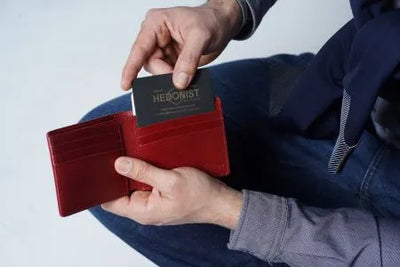
Card pocket construction in handmade wallets requires precise balance between secure card retention and easy card insertion or removal. Pockets too tight in handcrafted leather wallets frustrate users through requiring excessive force for card manipulation. Pockets too loose in artisan wallets fail to retain cards securely, creating risk of card loss during wallet handling. This balance in handmade leather wallets depends on leather thickness selection, stitching placement relative to pocket opening, and understanding how specific leather behaves when folded and stitched into pocket configurations.

The leather used for card pockets in handmade wallets typically measures thinner than exterior leather, often 1.5-2mm providing structure without excessive stiffness that would make card insertion difficult. This pocket leather in handcrafted wallets must maintain firmness preventing pocket collapse when empty while developing slight stretch during break-in allowing comfortable card capacity without permanent deformation. The stitching placement in artisan leather wallets affects pocket width directly: stitching positioned closer to pocket bottom creates tighter pockets, while positioning slightly higher creates more relaxed fit appropriate for thicker card combinations.

Break-in characteristics matter significantly for card pocket function in handmade leather wallets because new full-grain vegetable-tanned leather starts relatively stiff, then develops suppleness through use. Quality handcrafted wallet construction anticipates this break-in, creating pockets that may feel slightly tight when new but achieve optimal tension after several weeks of card insertion and removal working the leather. Pockets sized for immediate perfect fit in artisan wallets often become too loose after break-in as leather relaxes, requiring more thoughtful initial construction accounting for material behavior over time.

Multi-Pocket Organization and Alignment

Wallets containing multiple card pockets in handmade construction require precise pocket alignment ensuring all pockets open cleanly without interference from adjacent pockets or structural elements. This alignment in handcrafted leather wallets involves careful pattern cutting ensuring pocket pieces match precisely, stitching that maintains parallel pocket openings despite leather's tendency to shift during construction, and assembly techniques keeping multiple layers properly positioned while stitching progresses. The alignment precision in artisan wallets reveals craftsmanship quality because misalignment creates obvious visual and functional problems during use.

Pocket depth consistency across multiple pockets in handmade wallets affects both appearance and function. Pockets of varying depths in handcrafted wallets create uneven card visibility making specific card location more difficult during retrieval. The depth control in artisan leather wallets requires consistent leather cutting and stitching placement across all pockets despite the challenge of maintaining precision while hand-assembling multiple layers. Quality construction achieves pocket depth variation within millimeter tolerances, creating uniform appearance and predictable card positioning that enhances daily wallet usability.

Leather Selection for Wallet Applications

Thickness Requirements for Different Components

Handmade leather wallets typically use different leather thicknesses for various components optimizing each element for its specific function. Exterior panels in handcrafted wallets commonly use 2.5-3mm leather providing structure maintaining wallet shape during pocket carry while remaining flexible enough for comfortable folding. Card pockets use thinner 1.5-2mm leather in artisan wallets creating appropriate pocket stiffness without excessive bulk when multiple pockets stack. Interior dividers or cash compartments might use intermediate thickness balancing structure and bulk in these handmade wallets.

The thickness variation in handcrafted leather wallets creates manufacturing complexity that factory production often avoids through using single leather thickness throughout despite suboptimal results. Thick leather for card pockets creates excessive stiffness making card insertion difficult while thin leather for exterior panels results in wallets lacking structural integrity that maintains shape during carry. Quality handmade wallet construction embraces the complexity of component-specific thickness selection because the functional improvements justify the additional pattern and assembly considerations in these artisan wallets.

Full-Grain Leather Advantages in Wallets

Full-grain vegetable-tanned leather provides optimal material for handmade wallets because the intact grain surface contains the strongest fibers the hide offers while vegetable tanning creates material accepting hand-stitching without chemical residue interfering with thread adhesion. The natural grain in handcrafted leather wallets develops attractive patina through use as oils from handling darken high-contact areas around edges and corners while protected interior surfaces maintain lighter tones, creating visual depth that makes each artisan wallet distinctive to its user over years of daily carry.

Lesser leather grades used in factory wallets fail to develop this attractive aging characteristic. Top-grain leather has been sanded to remove the natural grain layer containing strongest fibers, then often embossed with artificial grain patterns in handcrafted wallets. This creates uniform initial appearance but removes the material characteristics allowing full-grain leather to handle stress and develop patina rather than simply wearing out. Genuine leather represents bonded leather scraps held together with adhesives, providing minimal durability advantages over synthetic materials in handmade wallet applications where longevity justifies premium material investment.

The vegetable tanning process in artisan leather wallets creates leather that breathes, remaining comfortable during pocket carry across different seasons and climates. Chrome-tanned leather often proves less breathable, potentially creating moisture accumulation during warm weather pocket carry. The natural tannins in vegetable-tanned leather used for handmade wallets also provide some antimicrobial properties reducing odor development from the bacteria that accumulate on accessories experiencing constant handling and pocket storage in these handcrafted wallets.

Edge Finishing Quality in Handmade Wallets

Hand-Burnishing Technique

Edge finishing in handmade wallets typically involves hand-burnishing creating sealed, smooth edges through friction and compound application rather than machine edge painting common in factory production. This burnished finish in handcrafted leather wallets proves more durable than painted edges that chip or peel with the handling wallets experience during daily pocket insertion, removal, and general manipulation. The hand-burnishing process in artisan wallets allows craftspeople to address each edge individually based on its exposure and stress patterns rather than applying uniform treatment regardless of specific requirements.

The burnishing process for handmade leather wallets involves multiple steps: sanding edges smooth, applying burnishing compound (often gum tragacanth or similar natural product), then using friction through rubbing or mechanical burnishing tools to generate heat that seals and polishes the edge. This creates edges in handcrafted wallets that feel smooth without roughness, appear sealed without visible layers or separation, and show uniform color without patchiness suggesting incomplete treatment. Quality edge finishing in artisan leather wallets requires skill and time that production shortcuts eliminate, making edge quality a reliable construction standard indicator.

Edge Exposure and Protection

Different wallet edges in handmade construction experience varying exposure and handling during use, requiring appropriate finishing approaches. Edges concealed within pockets or folds in handcrafted wallets require less extensive finishing than exposed edges experiencing constant handling and pocket abrasion. However, even protected edges in artisan leather wallets benefit from basic sealing preventing moisture penetration that could cause swelling or delamination in multi-layer construction areas where edge quality affects internal integrity as much as appearance.

Exposed edges at wallet openings, card pocket tops, and exterior corners in handmade wallets receive the most extensive burnishing treatment because these areas experience maximum handling and environmental exposure. The finishing durability in these high-wear areas of handcrafted wallets directly affects how the wallet ages: proper finishing maintains clean appearance through years of use while inadequate finishing leads to fraying, discoloration, or roughness that makes the artisan wallet appear worn prematurely despite the leather and stitching remaining structurally sound.

Wallet Format Options and Carrying Preferences

Bifold Wallet Construction

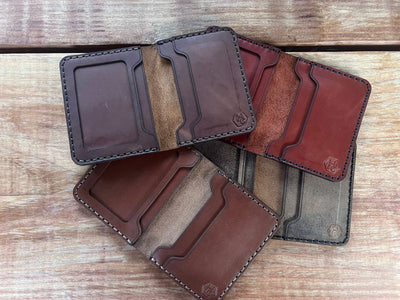
Bifold handmade wallets fold once vertically or horizontally, creating compact format suitable for front or back pocket carry. The construction in handcrafted bifold wallets requires particular attention to the fold line where repeated flexing concentrates stress on both leather and stitching. Quality bifold construction in artisan wallets uses leather selected for suppleness at fold areas while maintaining structure in panel sections, creating wallets that fold smoothly without excessive force while maintaining shape when carried in pockets.

Card pocket placement in bifold handmade leather wallets affects both capacity and bulk. Pockets on both interior panels double capacity but increase thickness when wallet folds. Single-side pocket placement in handcrafted bifold wallets creates slimmer profile when folded but limits card capacity. The optimal configuration in artisan bifold wallets depends on user carrying preferences and typical card quantity, making thoughtful design choices important for creating wallets serving actual needs rather than theoretical capacity maximization creating impractical bulk.

Trifold and Alternative Formats

Trifold handmade wallets fold twice, creating more compact dimensions when closed compared to bifold alternatives. This format in handcrafted trifold wallets suits those prioritizing minimal pocket bulk over easy access, as the additional fold requires more manipulation for opening and closing. The construction complexity in artisan trifold wallets increases significantly compared to bifold designs, with multiple fold lines requiring careful leather selection and reinforcement preventing the premature fold line failures that represent common trifold weakness in mass-produced alternatives.

Slim wallet formats in handmade construction eliminate the fold entirely, using single leather panel with card pockets and minimal cash storage creating front-pocket-optimized profiles. These handcrafted slim wallets sacrifice traditional bifold capacity for reduced bulk and simplified construction allowing focus on card pocket quality and edge finishing rather than fold line durability. The format choice in artisan slim wallets requires honest assessment of actual carrying needs versus traditional wallet expectations. Explore our complete guide to slim wallets for detailed format comparison.

Customer feedback on wallet format preferences divides clearly based on actual carrying habits rather than theoretical ideals. Front pocket carriers overwhelmingly prefer slim formats even when this means reduced capacity. Back pocket carriers often choose traditional bifolds accepting greater bulk for organizational capacity. Trifold users value maximum compactness despite access trade-offs. Quality handmade construction serves all formats well, but the format choice itself matters more for user satisfaction than construction quality differences between formats. Choose format matching how you actually carry wallets rather than how you imagine you might.

Care and Maintenance of Handmade Wallets

Regular Cleaning and Conditioning

Handmade leather wallets accumulate oils from hands, pocket lint, and environmental contaminants requiring regular cleaning maintaining appearance and preventing leather degradation. Wipe handcrafted wallets monthly with slightly damp cloth removing surface dirt and oils before they penetrate deeply into leather pores. For stubborn contamination on artisan wallets, leather cleaner formulated for vegetable-tanned material removes soil without damaging finish or causing staining that water-based cleaners often create on natural leather surfaces in these handmade wallets.

Conditioning handmade leather wallets every three to four months maintains leather suppleness and prevents the drying that leads to cracking at fold lines and stress points. Apply small amount of leather conditioner formulated for vegetable-tanned material, working it into the handcrafted wallet using circular motions and allowing several hours for absorption before returning the wallet to pocket carry. Focus conditioning on exterior surfaces and fold areas in artisan wallets while avoiding excessive application to interior card pockets where conditioning product could transfer to cards or create slippery surfaces affecting card retention.

Break-In Period Management

New handmade wallets using full-grain vegetable-tanned leather require break-in period during which the leather adapts to folding patterns, card configurations, and handling stresses. This break-in in handcrafted wallets typically spans two to four weeks of regular use, during which the leather becomes noticeably more supple while card pockets relax to accommodate their contents comfortably. Users should expect some initial stiffness in artisan leather wallets that resolves naturally through use rather than indicating construction problems.

Card pocket break-in in handmade wallets proceeds most effectively through regular card insertion and removal rather than leaving cards installed continuously. The manipulation works the leather around pocket openings, developing the suppleness that allows comfortable card access in handcrafted wallets. Some users find inserting and removing cards several times daily during the first week accelerates break-in in artisan wallets, though normal use accomplishes the same result over slightly longer timeframe without requiring dedicated break-in effort beyond regular wallet use.

Value Proposition of Handmade Wallets

Cost vs Longevity Analysis

Quality handmade leather wallets using full-grain vegetable-tanned leather and proper saddle-stitch construction typically cost 80-200 dollars depending on design complexity, customization, and workshop reputation. This pricing in handcrafted wallets reflects material costs, skilled labor time for hand-stitching and edge finishing, and small-batch production volumes that cannot achieve factory efficiency. However, the service life difference in artisan wallets typically exceeds the price multiple compared to factory alternatives.

A quality handmade wallet lasting twenty to thirty years of daily use costs 3-6 dollars annually versus replacing factory wallets every two to three years at 30-50 dollars each creating annual costs of 10-25 dollars. The calculation favors handcrafted leather wallets increasingly over time while providing superior daily experience through better materials and construction that doesn't require constant attention to impending pocket seam failures or card retention problems in these artisan wallets. The premium paid initially for handmade wallets proves economical over actual use period while delivering tangible quality advantages during daily carry.

Repair and Restoration Options

Handmade wallets specifically support professional repair and restoration when components wear because the construction quality justifies repair investment that factory wallets rarely warrant. Hand-stitched seams in handcrafted wallets can be re-stitched if thread breaks or loosens. Card pockets can be reconstructed if they stretch excessively. Edge finishing can be renewed if wear affects appearance. The fundamental leather piece in artisan wallets remains sound supporting these interventions unlike factory wallets that typically reach irreparable condition before individual components warrant replacement attention, making repair economically sensible for quality handmade construction.

Why Choose Our Handmade Wallets Collection

Our handmade wallets collection features work from select artisan workshops chosen for their commitment to saddle-stitch construction techniques and material quality standards in handcrafted leather wallets. Every wallet uses full-grain vegetable-tanned leather selected for appropriate thickness in different components, creating pieces optimized for their specific functions rather than using single material thickness regardless of optimal results. The card pocket construction in these artisan wallets balances secure retention with comfortable card access through thoughtful leather selection and stitching placement rather than arbitrary pocket dimensions creating either frustrating tightness or inadequate card security.

Edge finishing quality receives particular attention in our handmade leather wallets because proper burnishing requires skill and time that production shortcuts eliminate. The hand-burnished edges in these handcrafted wallets create sealed, smooth finish that maintains appearance through years of pocket carry and handling rather than deteriorating quickly as painted edges common in factory production typically do in artisan wallet applications.

Free personalization through hot stamping adds individual significance to already distinctive handmade wallets, with initials, names, or meaningful dates appearing on interior surfaces creating personalized accessories or thoughtful gifts. The small workshops we partner with for handcrafted leather wallets maintain production standards prioritizing construction quality over manufacturing volume, ensuring each artisan wallet receives the material selection attention and construction care that justifies choosing handmade over mass-produced alternatives. Browse our complete handmade leather goods collection for additional artisan accessories using similar construction standards.

Making the Right Choice

Choosing between handmade and factory wallets starts with honest assessment of whether construction quality and multi-decade service life matter enough to justify premium pricing. For those viewing wallets as disposable accessories accepting frequent replacement, factory options serve adequately despite their limitations. For those preferring wallets developing distinctive character through use while maintaining functionality across decades rather than years, handmade construction in artisan wallets provides clear advantages justifying investment through superior materials, construction techniques, and extended service life that makes initial cost premium economical over actual use period.

The wallet selection process should emphasize construction quality indicators over superficial design elements in handmade leather wallets. Examine stitching at corners and stress points for reinforcement addressing concentrated forces. Check edge finishing for sealed, smooth treatment indicating proper construction standards. Verify card pocket construction balances retention with access rather than creating either frustrating tightness or inadequate security. These fundamental quality markers in handcrafted wallets matter more than decorative elements or claimed handmade status unsupported by actual construction characteristics visible through informed inspection of artisan wallet details.

Visit our complete handmade wallets collection to explore bifold, trifold, and slim format options combining hand-stitched construction, full-grain vegetable-tanned leather, and component-specific material selection creating accessories that withstand demanding daily use. Whether you choose traditional bifold capacity, trifold compactness, or slim front-pocket optimization, focus on construction fundamentals determining whether your handmade wallet develops attractive patina through decades of service or requires replacement after minimal use like factory alternatives you're seeking to replace with quality artisan leather wallets built for genuine long-term daily carry.

Over 1,312 customers have reviewed Hedonist Chicago leather goods and rated us 4.78 stars on average. For more on our handmade range, see our Hedonist Chicago handmade collection overview, handmade card holders guide.

Every handmade leather wallet in this collection uses hand stitched leather wallet construction with waxed thread at every seam. Full grain leather wallet material provides the fiber density that justifies the labor investment saddle stitch construction represents. Vegetable tanned leather wallet leather develops a richer individual patina than any other grade. A saddle stitch wallet maintains seam integrity through decades of daily use where machine-stitched alternatives fail within years. Bifold leather wallet handmade options, slim leather wallet handmade designs, and trifold leather wallet handmade formats all use the same construction standard. Genuine leather wallet handmade construction means no corrected grain, no bonded leather, and no machine stitching at the stress points that determine how long a wallet lasts. Quality leather wallet handmade options in this collection are available with hot stamping personalization. Leather wallet hand stitched by skilled artisans to our specifications - that is what every piece in this collection represents.

Frequently Asked Questions

Quality handmade wallets using full-grain vegetable-tanned leather and proper saddle-stitch construction should last twenty to thirty years of daily use when properly maintained. The leather develops attractive patina during this time while maintaining structural integrity at fold lines, corners, and card pockets. The limiting factor typically involves style preference changes or desire for different formats rather than fundamental construction or material failure in these handcrafted wallets.
Yes, hand-stitched wallets specifically support professional repair when components wear. The saddle-stitch construction can be re-stitched if thread breaks or loosens. Card pockets can be reconstructed if they stretch excessively. Edge finishing can be renewed if wear affects appearance. The fundamental leather piece remains sound in artisan wallets supporting these interventions unlike factory wallets that typically reach irreparable condition before individual component replacement becomes economically sensible.
Yes, new handmade wallets using full-grain vegetable-tanned leather require two to four weeks of regular use during which the leather adapts to folding patterns and card configurations. The wallet becomes noticeably more supple while card pockets relax to accommodate contents comfortably. This break-in represents normal material adaptation in handcrafted wallets rather than indicating construction problems, with the leather developing characteristics making long-term use increasingly comfortable.
Format choice should match your actual carrying habits rather than theoretical preferences. Front pocket carriers typically prefer slim formats even when this means reduced capacity. Back pocket carriers often choose traditional bifolds accepting greater bulk for organizational capacity. Trifold users value maximum compactness despite access trade-offs. Quality handmade construction serves all formats well in artisan wallets, but the format choice itself matters more for user satisfaction than construction quality differences between formats.
Wipe wallets monthly with slightly damp cloth removing accumulated dirt and oils. Apply leather conditioner every three to four months maintaining suppleness and preventing drying. Focus conditioning on exterior surfaces and fold areas while avoiding excessive application to interior card pockets where product could transfer to cards. Regular maintenance extends service life in handcrafted wallets significantly while maintaining attractive appearance through years of daily pocket carry.
Handmade construction costs more due to hand-stitching labor time, full-grain leather material costs, component-specific thickness selection, and small-batch production volumes that cannot achieve factory efficiency. However, service life typically exceeds twenty years versus two to three years for factory wallets in artisan construction, making handmade more economical over actual use period despite higher initial cost while providing superior daily experience through better materials and construction quality.
Yes, we offer free personalization through hot stamping in handcrafted wallets. Initials, names, or meaningful dates can be added to interior surfaces creating distinctive accessories or thoughtful gifts. The personalization maintains leather integrity rather than weakening it through the stamping process, transforming functional handmade wallets into meaningful personal items or gifts communicating consideration through customization effort in these artisan pieces.
Card pocket construction in handmade wallets balances secure retention with comfortable card access through thoughtful leather thickness selection and stitching placement rather than arbitrary dimensions. The pockets in handcrafted wallets maintain structure when empty while developing slight stretch during break-in allowing comfortable card capacity without permanent deformation. This requires understanding how specific leather behaves when folded and stitched, adjustment impossible in automated production where standardized pocket dimensions serve all applications in artisan wallet construction.

Leave a comment

Please note, comments must be approved before they are published

This site is protected by hCaptcha and the hCaptcha Privacy Policy and Terms of Service apply.