



· Updated: October 09, 2026
NATO Strap vs. Leather Watch Band: Which Is Right for You?
Quick answer: A NATO strap is a single piece of nylon webbing that threads through both spring bars, so the watch stays on your wrist even if one bar fails. Leather is more comfortable and polished for dress and everyday wear, while NATO suits water, field and tool watches.
Side by side
| Feature | NATO strap | Leather band |
|---|---|---|
| Material | Nylon webbing | Leather |
| Attachment | One piece through both spring bars; stays on if one bar fails | Two independent spring bar attachments |
| Water | Dries quickly and tolerates water | Needs care around water |
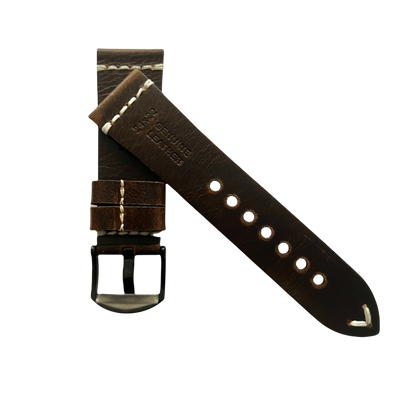
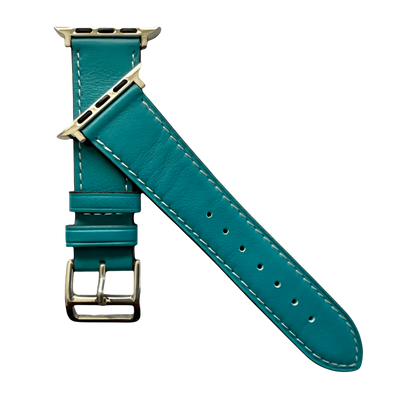
| Comfort | Consistent | Softens and molds to the wrist |
| Appearance over time | Mostly unchanged | Develops a patina |
| Best for | Field, dive and tool watches | Dress, business and everyday |
Origin
The NATO strap grew out of British Ministry of Defence-issue nylon webbing specified in 1973 under the designation G10.
Which fits you
Choose NATO for water, outdoor and athletic use. Choose leather for dress watches and everyday wear. With standard or quick-release spring bars, swapping takes seconds, so many people keep both. See leather vs metal.
Browse leather watch bands.
Updated: October 9, 2026
Frequently Asked Questions
Yes, specifically because of its single-piece looping design, which keeps the watch attached to the wrist even if one spring bar fails. A leather band's standard two-point attachment doesn't have this redundancy, which matters more for field, dive, or outdoor use than everyday wear.
You can, but it's a style choice more than a functional necessity, since NATO straps read as more casual and tactical than leather. Many people reserve NATO straps for field, sport, or casual watches and keep leather for dress and business contexts.
Yes, since the strap passes underneath the watch case rather than attaching flush at each lug, a NATO strap adds slightly more thickness under the watch than a standard leather or metal band. Most wearers adjust to this within a day or two.
The design originated with the British Ministry of Defence, not NATO. The name stuck because the strap was assigned a NATO Stock Number for military cataloguing purposes, not because NATO itself developed or specified the design, a fact many owners assume incorrectly.
Much less so. Nylon webbing doesn't absorb moisture the way leather does, so it's far more resistant to sweat-related odor, making it a common choice for workouts and hot climates where a leather band would need frequent cleaning to stay fresh.
Neither is inherently harder to use; both attach via standard or quick-release spring bars. A NATO strap is slightly more forgiving for a beginner since it requires no break-in period and handles water and sweat without special care from day one.
It depends on where you'll wear it most. NATO wins for durability, water resistance, and low maintenance, since nylon webbing shrugs off sweat and moisture that leather has to be protected from. Leather wins for comfort over long wear and for developing a personalized look over time. If you split your week between the gym and the office, keeping one of each on hand covers both situations well.


Leave a comment