


What Wallet Color Should You Choose for Everyday Use?
For everyday use, black or dark brown is the best wallet color: both coordinate with the widest range of shoes, belts and bags, hide daily wear and suit formal and casual settings. Choose brown or tan if you want the most visible patina, and red or another bright color if you often lose your wallet inside a bag. If you can only own one, mid-brown or black works for most wardrobes.
An everyday wallet is handled many times a day, so color affects more than looks. It decides whether the wallet matches what you already own, how easy it is to find, and how the wear of daily use shows. This guide compares the main colors on those practical points. For the broader decision, including styles and occasions, see our guide to choosing the right wallet color.
Picks to go with this guide

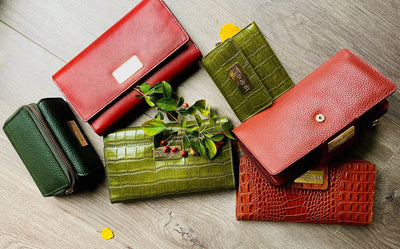
Red Leather Bifold Wallet for Men
6-12 cards, RFID blocking, flat bill section
View product →
Green Croco Leather Bifold Wallet for Men
6-12 cards, RFID blocking, croco-embossed texture
View product →
Small Red Zip-Around Leather Wallet for Women
5 card slots, bill zip, RFID lining
View product →How Different Colors Perform for Daily Use
| Color | Coordinates with | Shows wear? | Easy to find in a bag? |
|---|---|---|---|
| Black | Black and dark shoes and belts; the most versatile for formal use | Least visible: stays the most consistent over time | No: blends into a dark bag interior |
| Dark brown | Brown and black belts; formal to casual | Low: hides marks, deepens gradually | Moderate |
| Brown / tan | Brown shoes and belts; casual and business-casual | Most visible: rich color depth at high-contact areas | Moderate |
| Red | Works as a neutral accent with most colors | High: deepens into richer tones | Yes: stands out clearly |
| Green, purple and other accent colors | A personal style statement rather than a coordinated match | Moderate to high, depending on shade | Yes |
Match Your Wallet to What You Already Own
If most of your shoes and belts are black, a black wallet keeps things visually consistent, especially in formal or professional settings where matching leather is a small but noticeable detail. If your everyday shoes and belts run brown or tan, a brown wallet coordinates more naturally and shows the most rewarding patina over years of handling. If you own both, dark brown is the safest bridge. Our guide on wearing a black wallet with brown shoes or a brown belt explains when mixing is fine.
When a Brighter Color Makes Practical Sense
A bright color such as red, tan or green is worth considering for function if you regularly lose track of your wallet in a bag. It is easier to spot against dark lining than black or dark brown blending into the same shadow. If that sounds familiar, our bright colored wallets guide covers the options.
How Lifestyle and Profession Affect the Choice
| Context | Color worth considering |
|---|---|
| Formal or client-facing work | Black or dark brown, for a consistent, understated look when the wallet is occasionally visible |
| Creative or casual work | More freedom: brown, tan or an accent color as a small style detail |
| Hands-on or outdoor work | Dark brown or black, which hide dirt and marks |
| Frequent travel | A more distinctive color helps you spot the wallet in a bag, pocket or hotel room |
| Gift-giving | Classic black or brown, unless you know the recipient's color preferences well |
Does Color Affect How a Wallet Ages?
Color affects how visible aging is, not how much the leather changes underneath. Full-grain vegetable-tanned leather develops the same underlying patina in any color. Lighter tones such as tan show the darkening more dramatically at fold lines and corners, while black and dark brown mask the same physical changes. Choose a light shade if you like visible character, and black or dark brown if you prefer consistency. Our guide to how leather develops patina explains the process.
The Best Everyday Wallet Color by Priority
- Maximum versatility: black.
- Versatility plus visible character: mid-brown or dark brown.
- Easiest to find in a bag: red or another bright color.
- Least visible wear: black.
- Most visible patina: tan or light brown.
Not sure between black and brown? See our black vs brown wallet comparison.
Shop Leather Wallets in Every Color
- Men's Black Leather Bifold Wallet
- Men's Slim Brown Leather Billfold Wallet
- Small Red Zip-Around Leather Wallet for Women
- Large Green Leather Trifold Wallet for Women
Leave a comment