



How to Replace a Belt Buckle: 4 Types, Step by Step
Quick answer: To replace a belt buckle, first find out how it is attached. Snaps and screws come apart in a minute with a screwdriver or by hand. A clip or toothed button releases without tools. A buckle that is stitched or riveted to the strap has to be cut free and re-attached, which is easiest at a leather repair shop. Measure the width of your strap before you buy a new buckle, because the buckle must match it.
A worn finish, a bent prong or a style change are the usual reasons to swap a buckle. The strap is often in good shape long after the buckle looks tired, so replacing only the buckle can give an old belt a second life. This guide covers leather belts. A car seat belt buckle is a vehicle part, so check your car's manual for that.
Picks to go with this guide

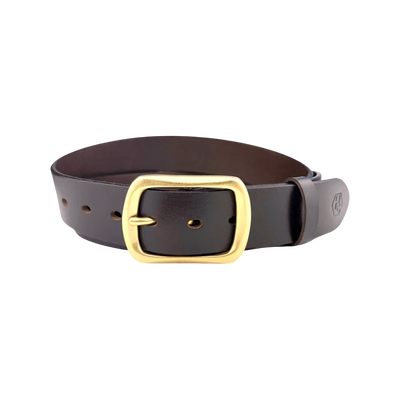
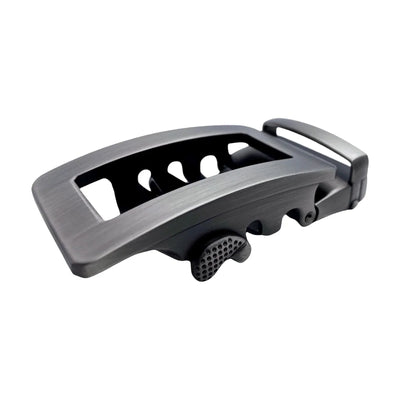
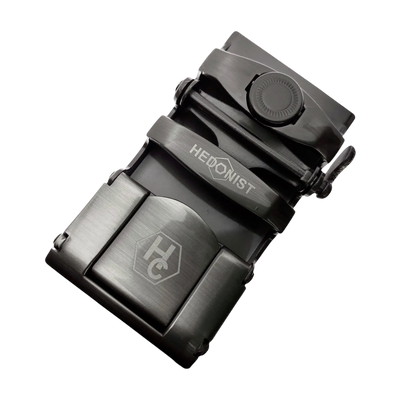
1.55" Pin & Clip Brown Strap And 1.55" Gun Metal Pin & Clip Buckle 01
This leather run through a process which gives the leather it’s unique finish
View product →
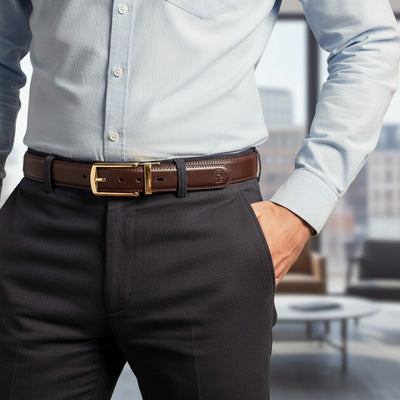
1.55" Pin & Clip Dark Brown Strap And 1.55" Gun Metal Pin & Clip Buckle 01
This leather run through a process which gives the leather it’s unique finish
View product →How to replace a belt buckle: find your type
| How the buckle is attached | Tools | Easy to do at home? |
|---|---|---|
| Snaps | None | Yes |
| Screw or Chicago screw | Small screwdriver | Yes |
| Clip or toothed button | None | Yes |
| Stitched or riveted | Seam ripper, drill or rivet tool, snap or screw kit | Possible, but a repair shop does it cleanly |
Look at the place where the strap folds around the buckle bar. Two small snap studs, a screw head, a metal button or a line of stitching tells you which type you have. If the fold is hidden under a keeper loop, slide the loop away from the buckle to see it.
What you need
- A ruler or tape measure: to measure the strap width and the inside width of the new buckle.
- A small screwdriver: for screw and Chicago screw attachments.
- A seam ripper or small sharp blade: for removing stitching.
- A hole punch and a snap kit: if the new buckle needs new snap holes or the strap does not have them.
- Chicago screws: a two-piece screw that holds a folded strap without snaps or stitching.
- Pliers: to hold a screw barrel steady while you tighten it.
Step 1: measure the strap width
Lay the strap flat and measure its width with a ruler. The inside width of the new buckle, between the two sides of the frame, has to match that number. A buckle that is too narrow will not let the strap through, and one that is too wide leaves gaps and looks loose. Do not force a strap through a buckle that is too narrow, because it will crack the edges of the leather.
How to choose a replacement buckle
Beyond width, three things decide whether a buckle works on your belt.
- Attachment method: a buckle with a clip or screw hardware needs a strap that can take it. A buckle with a plain bar needs snaps, a screw or stitching.
- Frame style: a frame buckle with a single prong is the classic dress belt style. A plate buckle is flatter and sits against the body. A two prong buckle is a wider frame that spreads the load over two holes.
- Finish: pick a metal that matches your other hardware, such as watch cases, bags and zippers.
Step 2: remove the old buckle
- Snaps: pull the snap studs apart, then unfold the strap from the buckle bar.
- Screw: turn the screw counterclockwise until it comes out, and keep the screw and its barrel.
- Clip or toothed button: press the button and slide the strap out of the buckle.
- Stitched: cut the stitches with a seam ripper or a small sharp blade, taking care not to cut the leather, then pull the thread out.
- Riveted: drill out the rivet from the back, or take the belt to a repair shop.
Step 3: attach the new buckle
Feed the end of the strap through the new buckle, fold it around the buckle bar and line up the holes. Then fasten it the same way the old one was, or choose a method that suits you:
- Snaps: press the studs together until they click. If the new buckle has no snaps, a snap kit and a hole punch let you add them.
- Screw or Chicago screw: push the screw through the aligned holes and tighten it. This is the best option if you want to replace a belt buckle without snaps or stitching.
- Clip or toothed button: slide the strap into the buckle opening and press the button down so it holds the strap.
- Stitching: sew the folded end with waxed thread. For a clean result, ask a leather repair shop.
Before you wear the belt, close it and pull on the buckle with moderate force. The fold should not shift and the fastening should not move.
How to replace a two prong belt buckle
A two prong buckle works the same way as a single prong one. The prongs only go through the belt holes, so they have nothing to do with how the buckle is attached. Replace it by following the steps above, and make sure the new buckle frame matches the strap width and that both prongs line up with the existing holes. If you switch from a two prong buckle to a single prong one, the single prong will use only one hole, so check which hole spacing you wear most.
When the strap will not fit the new buckle
- The strap is slightly too wide: choose a buckle with a wider frame instead of trimming the strap. Sanding the edges thins the leather and weakens it.
- The folded end is too thick: the leather doubled over at the bar can be tight in a narrow slot. Use a buckle with a taller slot or a thinner fold.
- The new buckle has no screw hole: add a Chicago screw through a punched hole in the folded strap, or use snaps.
Common mistakes
- Buying a buckle by the width written on the product page without measuring your strap.
- Forcing the strap through a narrow frame and cracking the edges.
- Overtightening a screw until it strips the barrel or crushes the leather.
- Cutting the stitching too close to the leather and nicking the strap.
Our Pin and Clip belts
On our Pin and Clip belts, you insert the end of the strap into the opening in the buckle and press the toothed button, which holds the strap in place. Every strap and every buckle in the line share this mechanism, so any buckle fits any strap of the same width, with no tools. See buckles for pin and clip belts ($22 to $24) and buckles for automatic belts ($23).
Ratchet belts
A ratchet belt has a track and a lever rather than holes, and replacing its buckle depends on the specific belt. See how to adjust or disassemble a ratchet belt and how a ratchet belt buckle works.
When to take it to a repair shop
If the buckle is stitched or riveted, a leather repair shop can usually swap it quickly and re-attach the strap cleanly. It is also the safer choice for a belt you care about, since a cut in the leather cannot be undone. For adding a hole instead, see how to add a hole to a leather belt. To learn about buckle types, see belt buckles explained.
Frequently asked questions
Can you replace the buckle on any belt?
Most belts, yes, but the method differs. Snaps, screws and clips come apart at home. Stitched or riveted buckles need the stitching or rivets removed and redone, which a repair shop does best.
How do I know which buckle fits my belt?
Measure the strap width. The inside width of the buckle frame has to match it.
How do I attach a replacement buckle to a belt without snaps?
Use a Chicago screw, which holds the folded strap through two aligned holes, or have the end stitched. A clip system, like our Pin and Clip belts, needs neither.
Can I use any buckle with any strap?
Only if the width matches and the attachment method fits. On our Pin and Clip belts, every buckle fits every strap of the same width.
How do I replace a buckle on a riveted belt?
Drill the rivet out from the back or have a repair shop remove it, then attach the new buckle with a screw, snaps or stitching.
How do I replace a two prong belt buckle?
Remove the old buckle and attach the new one the same way, making sure the frame matches the strap width and both prongs line up with the existing holes.
How do I attach a replacement belt buckle to a belt?
Feed the strap through the buckle, fold it around the bar and fasten it with snaps, a Chicago screw, a clip or stitching.
How much does it cost to have a belt buckle replaced?
The price varies by shop and by how the buckle is attached. A simple screw or snap swap is quick, while stitched or riveted buckles take more work. Ask your local leather repair shop for a quote.
Can I replace a belt buckle myself?
Yes, if it is attached with snaps, screws or a clip. Stitched or riveted buckles are possible to do yourself but are easier to damage, so many people take them to a repair shop.
Updated: October 19, 2026
Leave a comment