


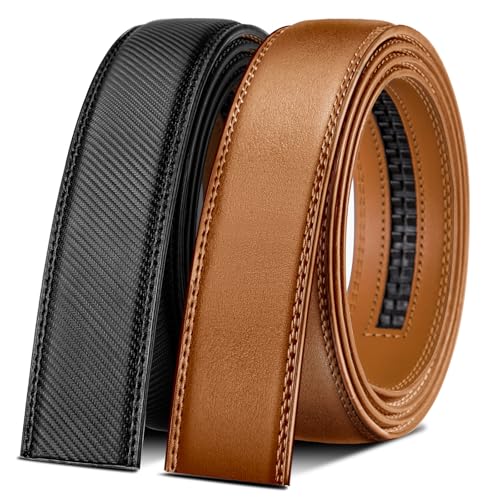





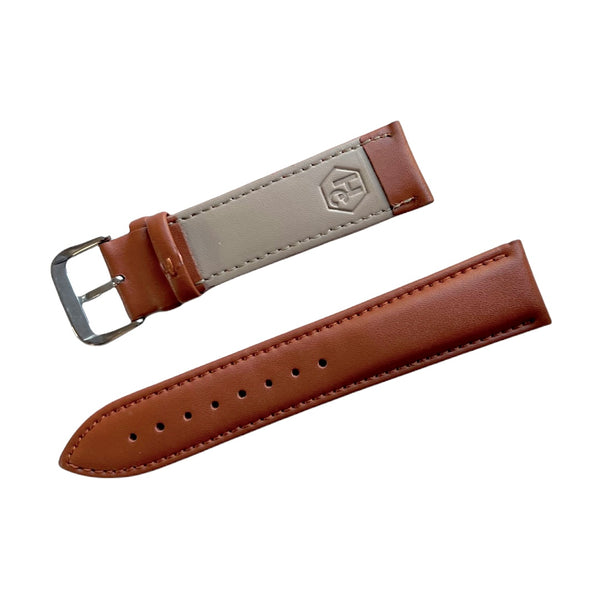







Ratchet Belts with Automatic Buckles for Men and Women
Ratchet Belts with Automatic Buckles for Men and Women
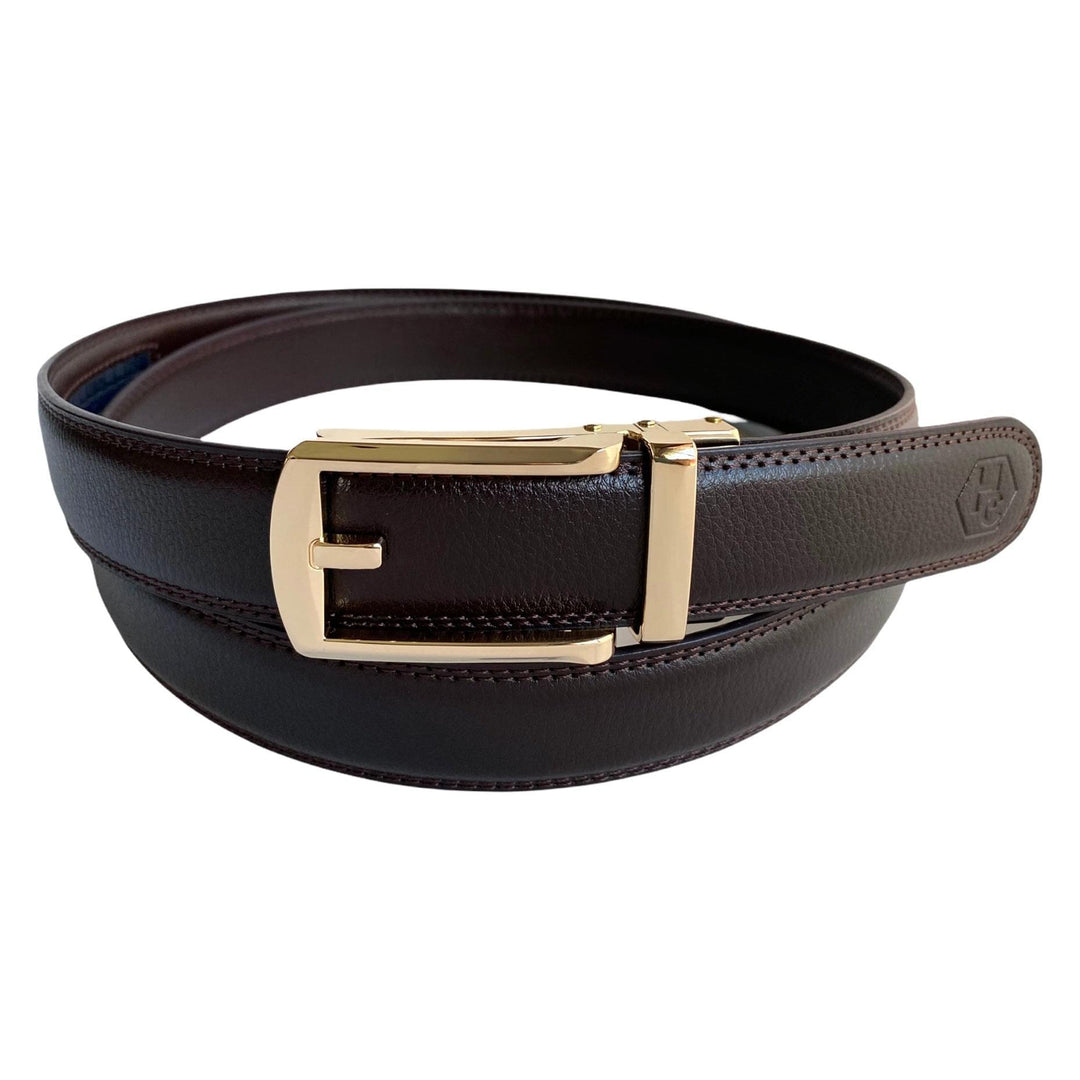
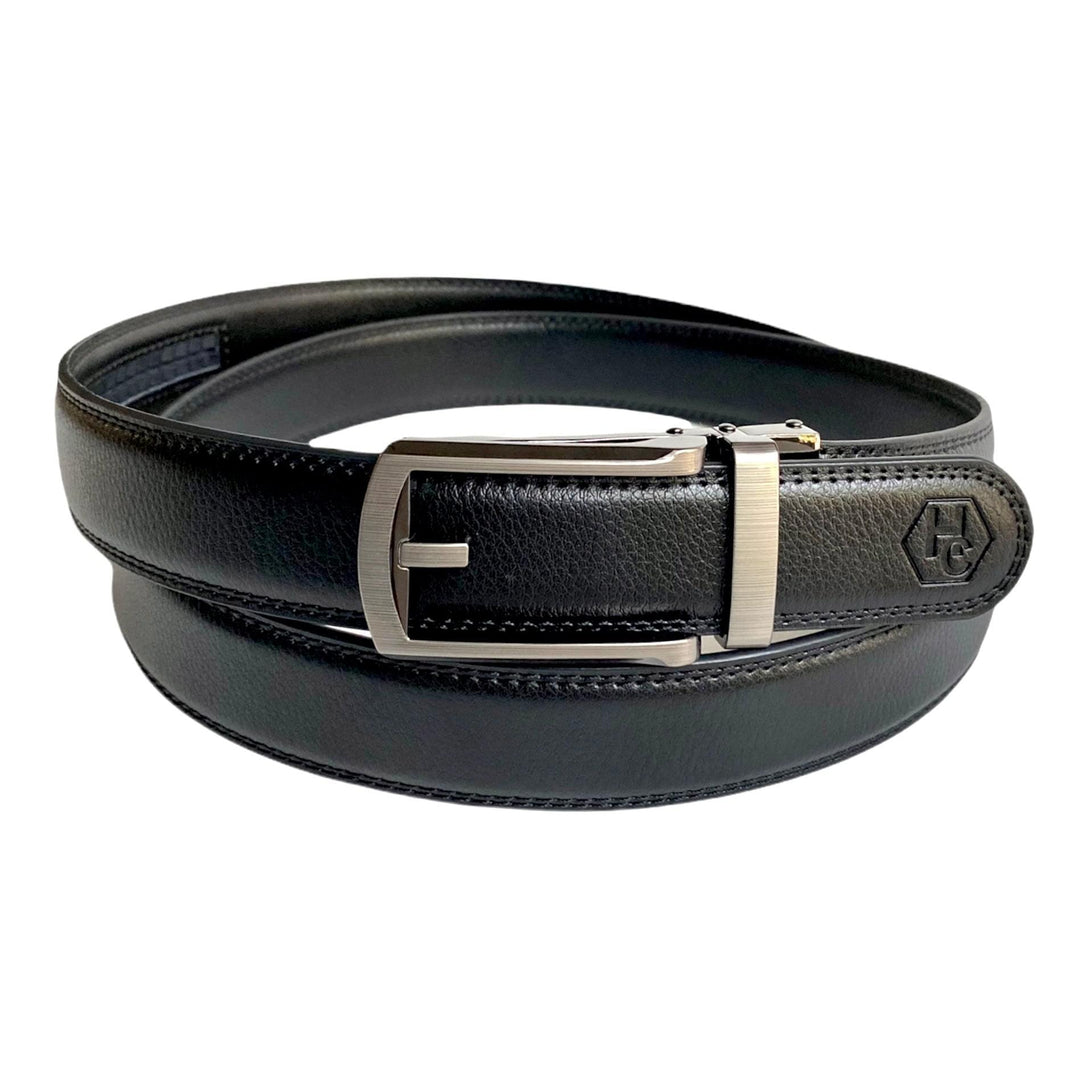
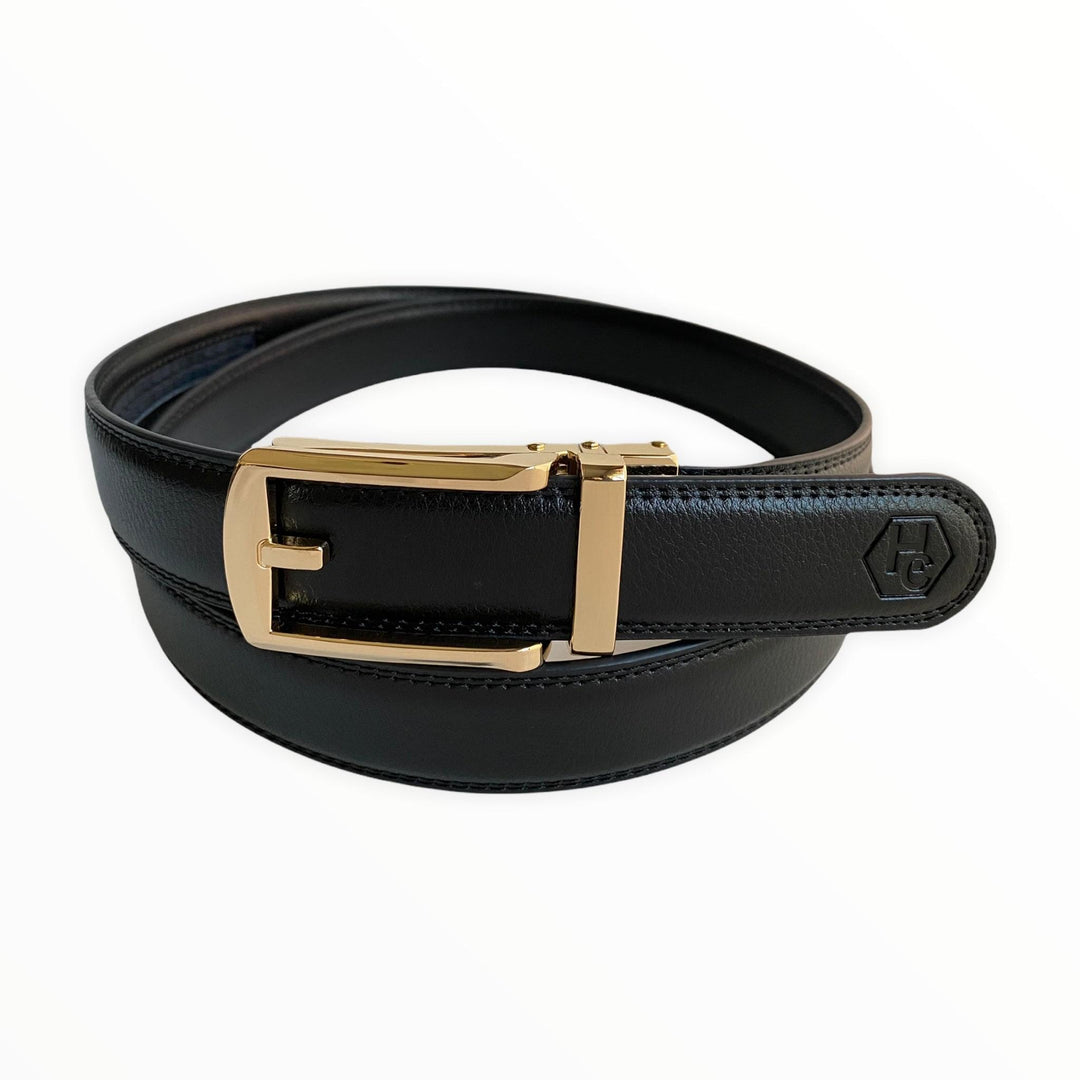
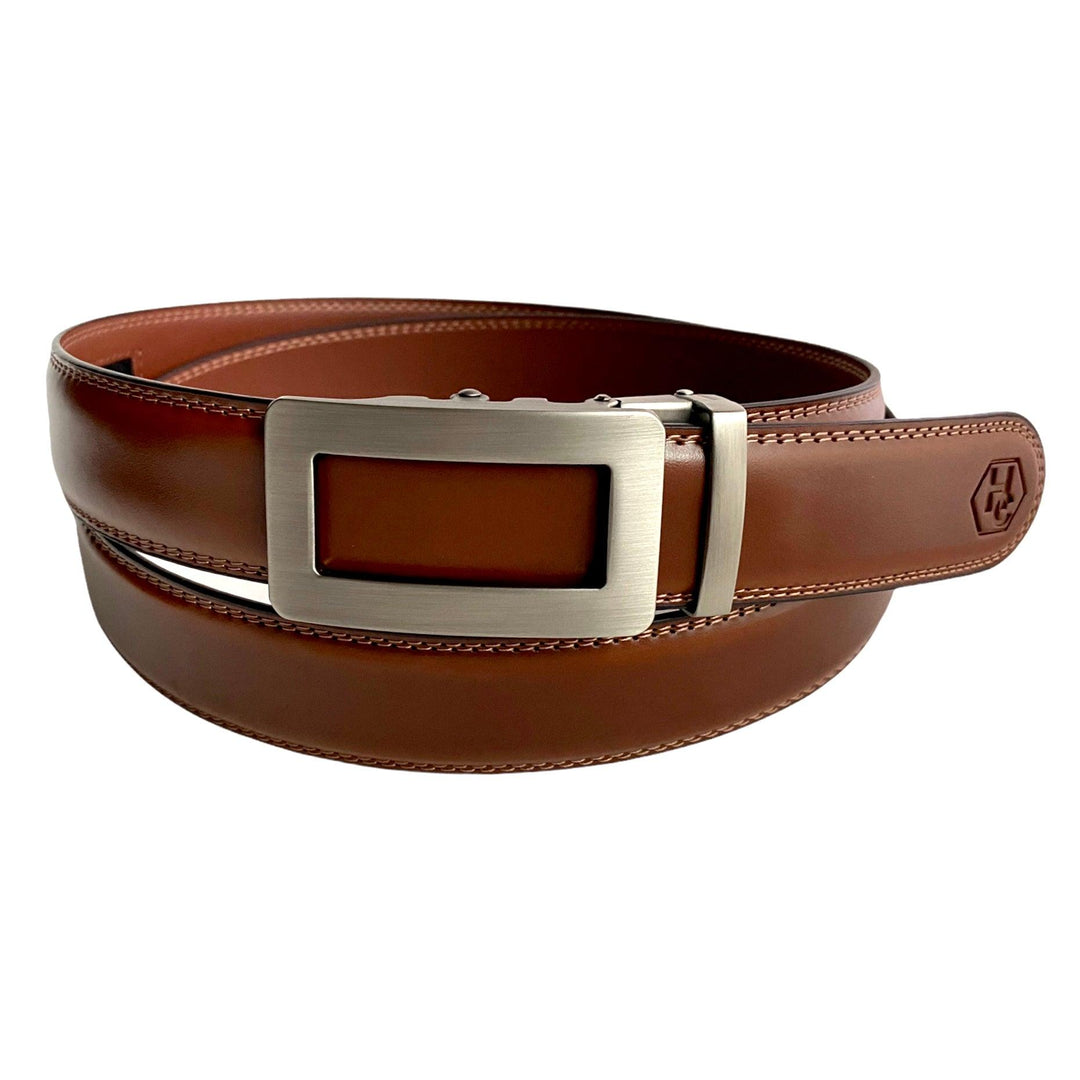
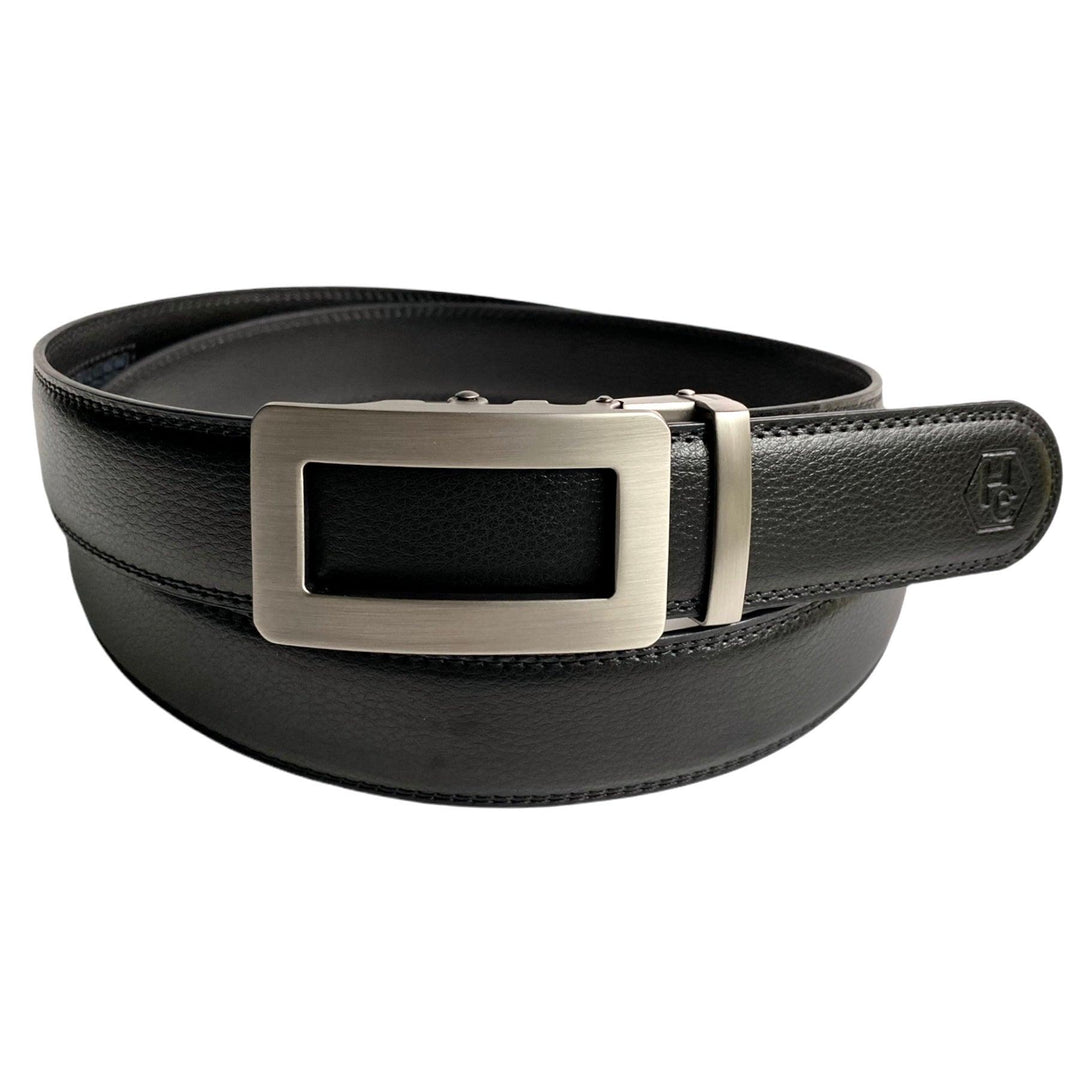
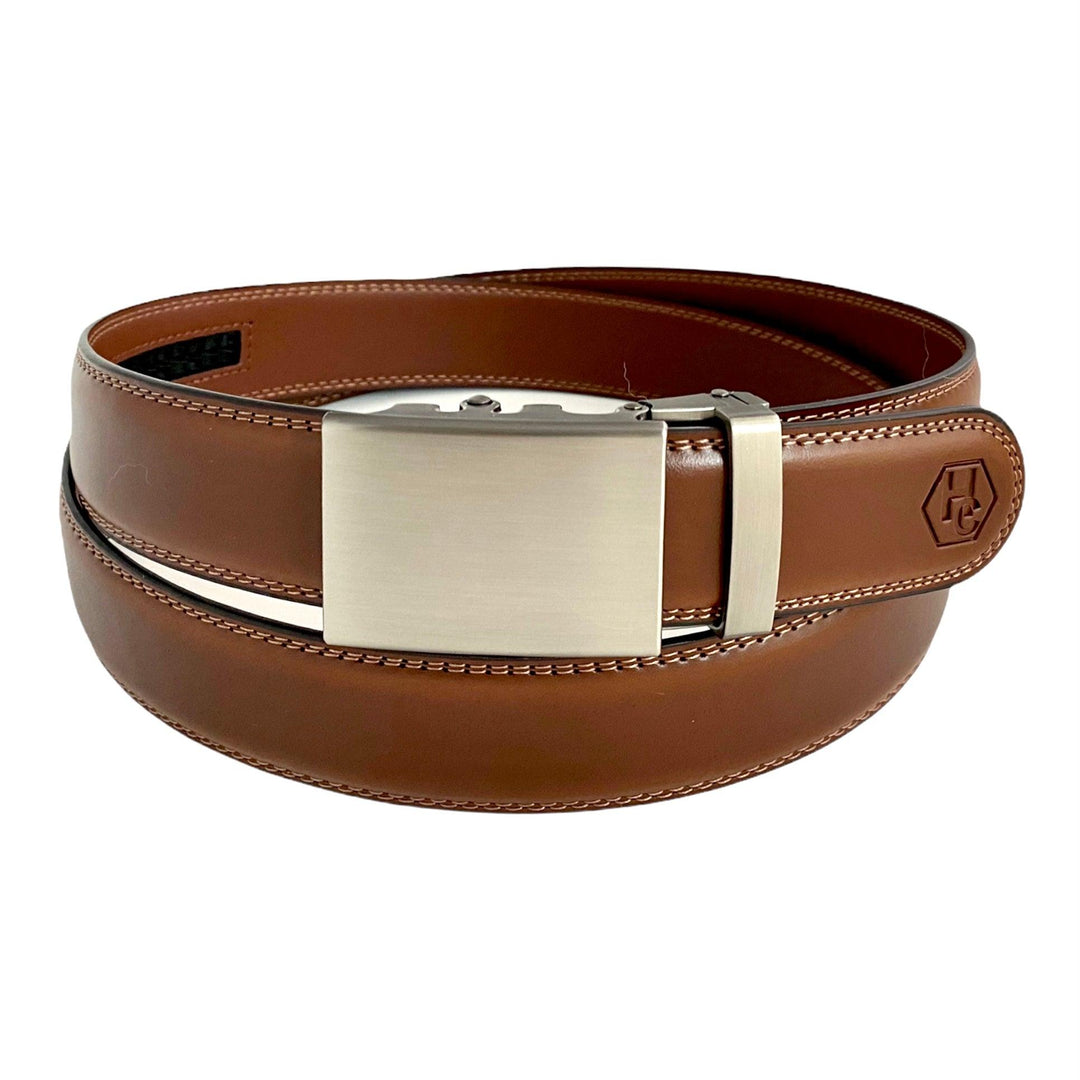
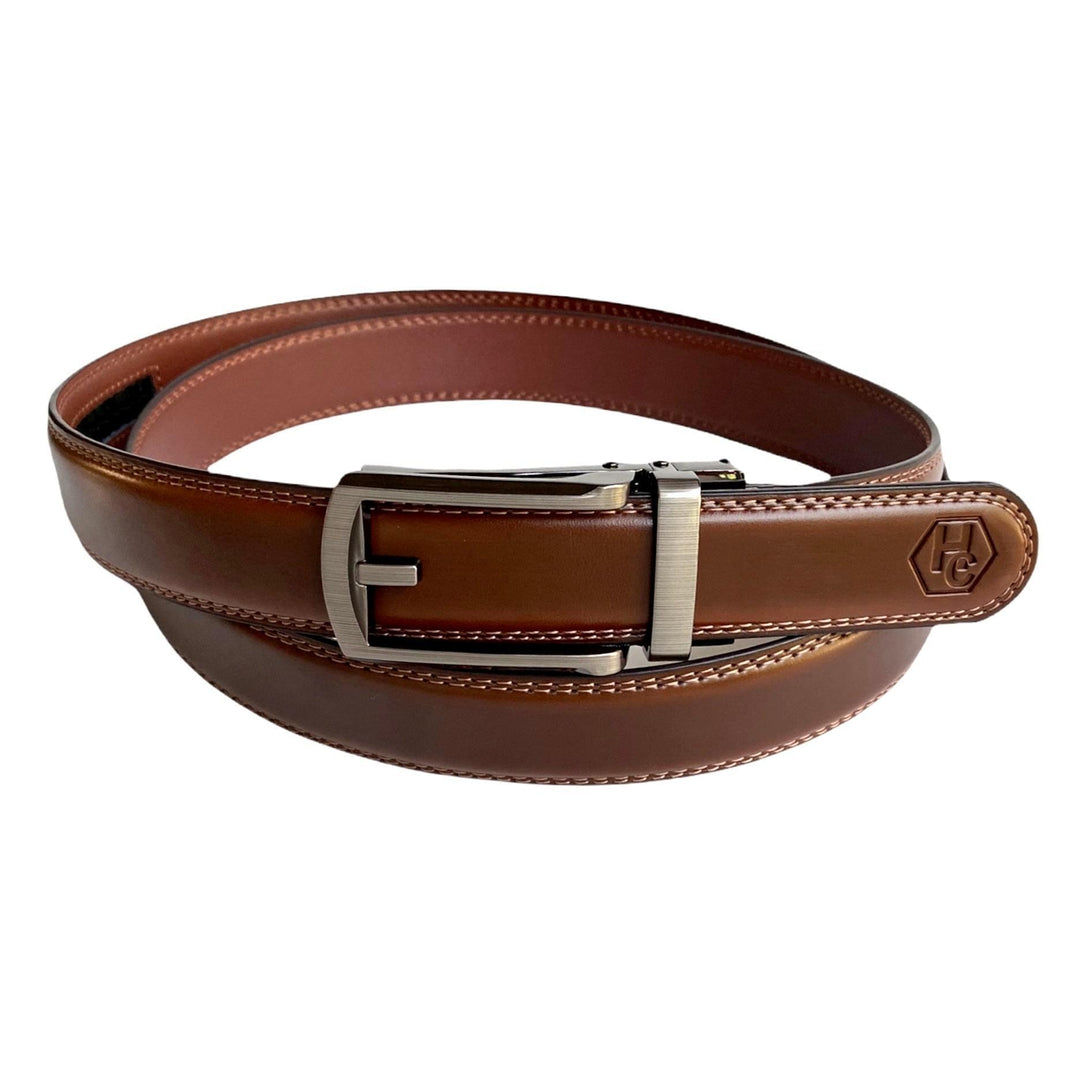
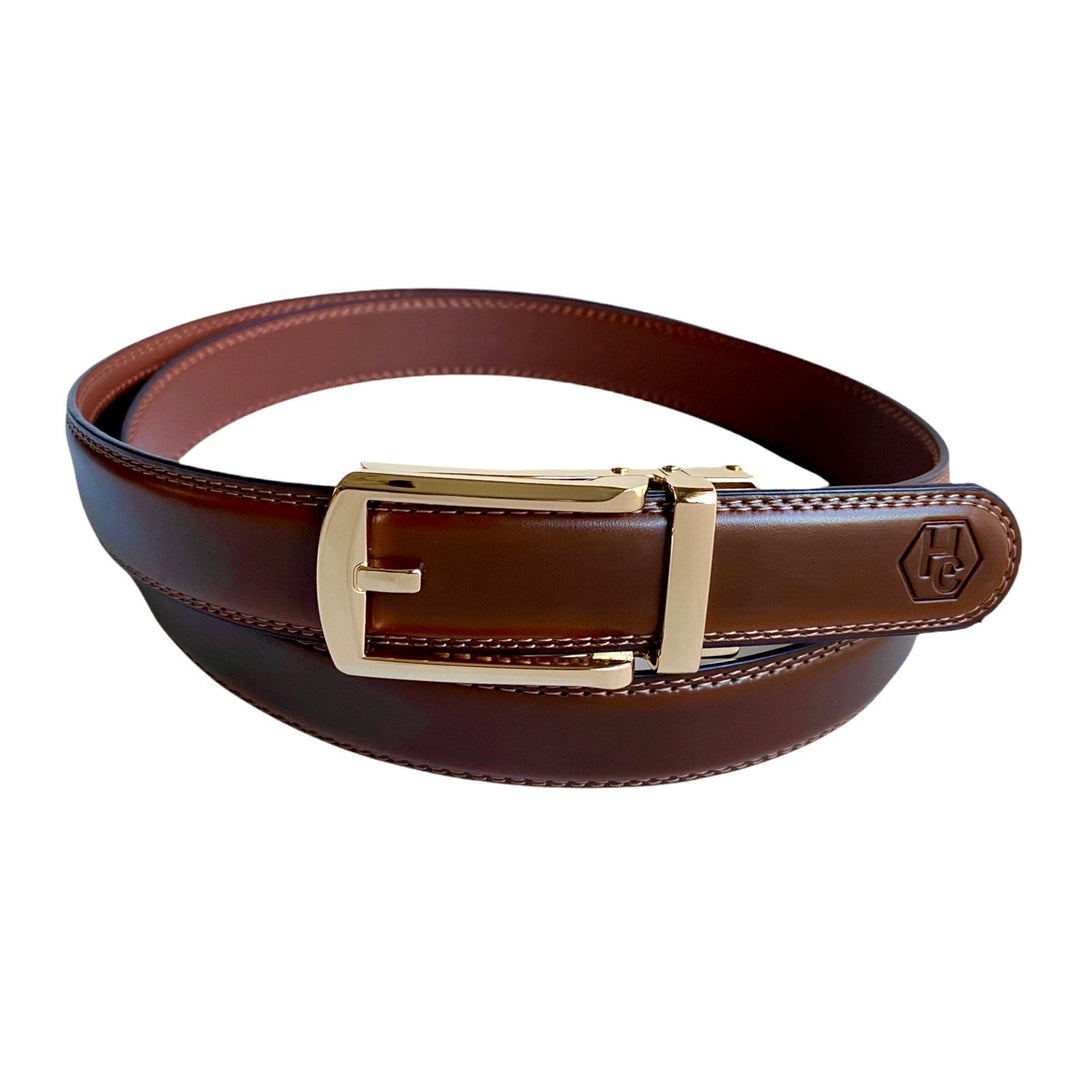
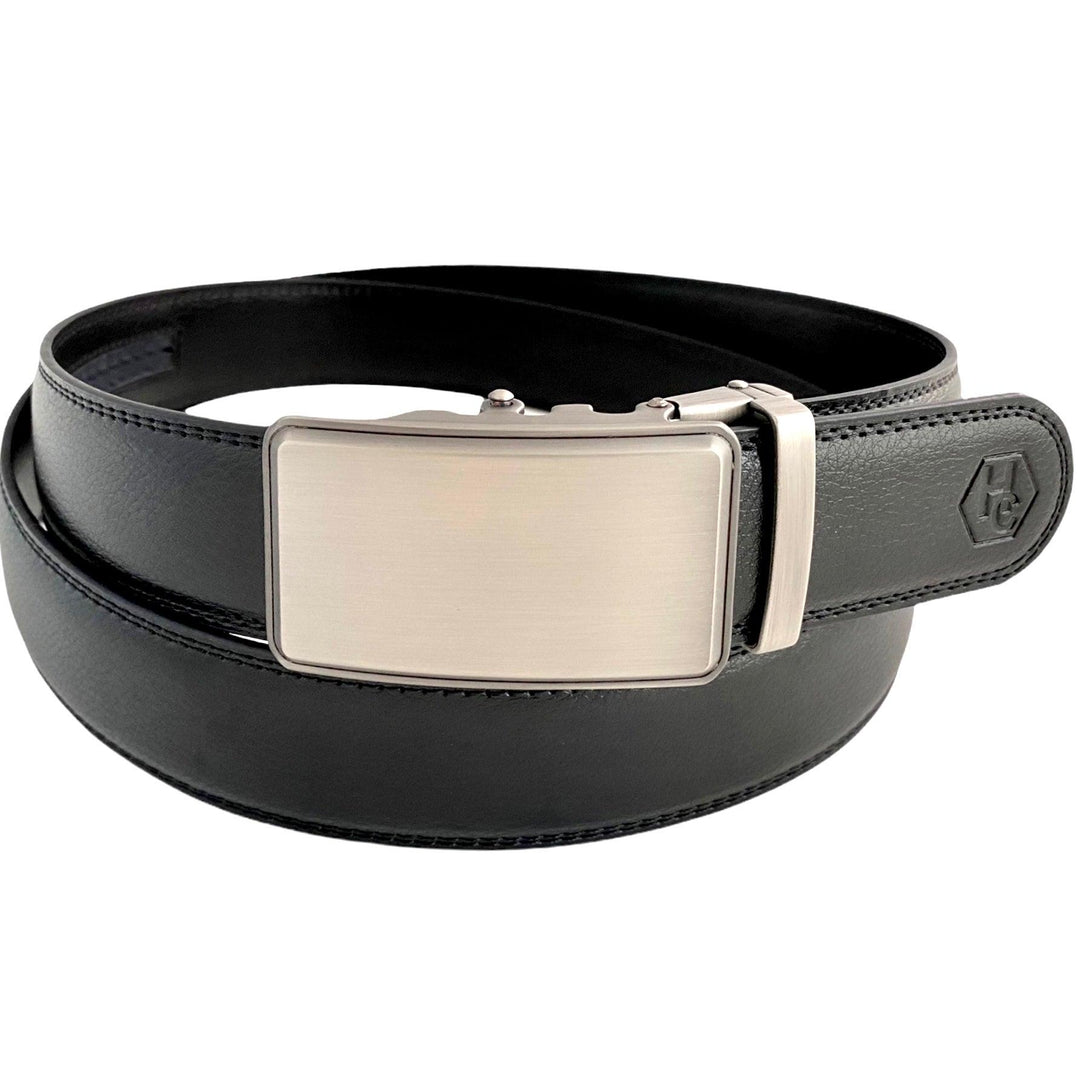
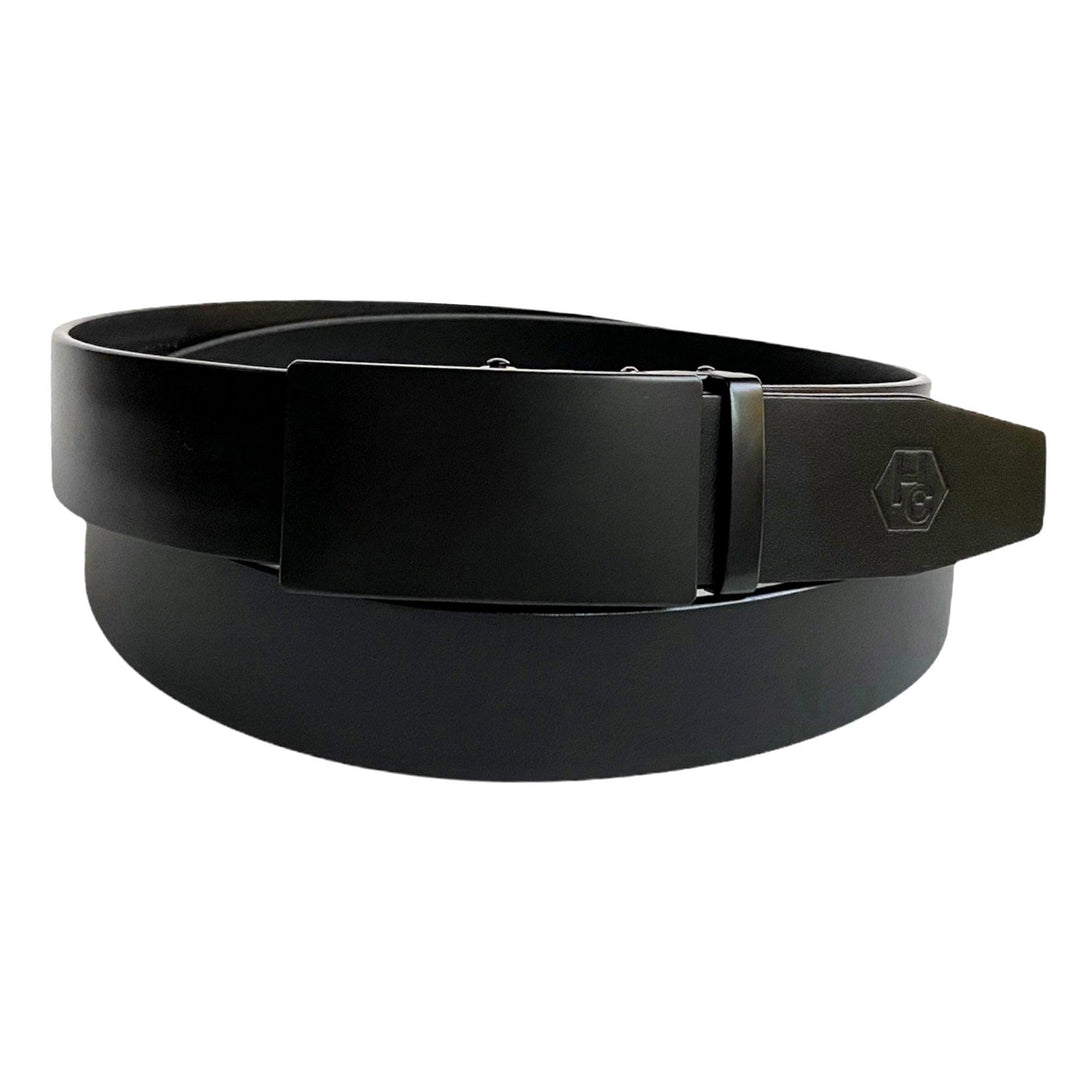
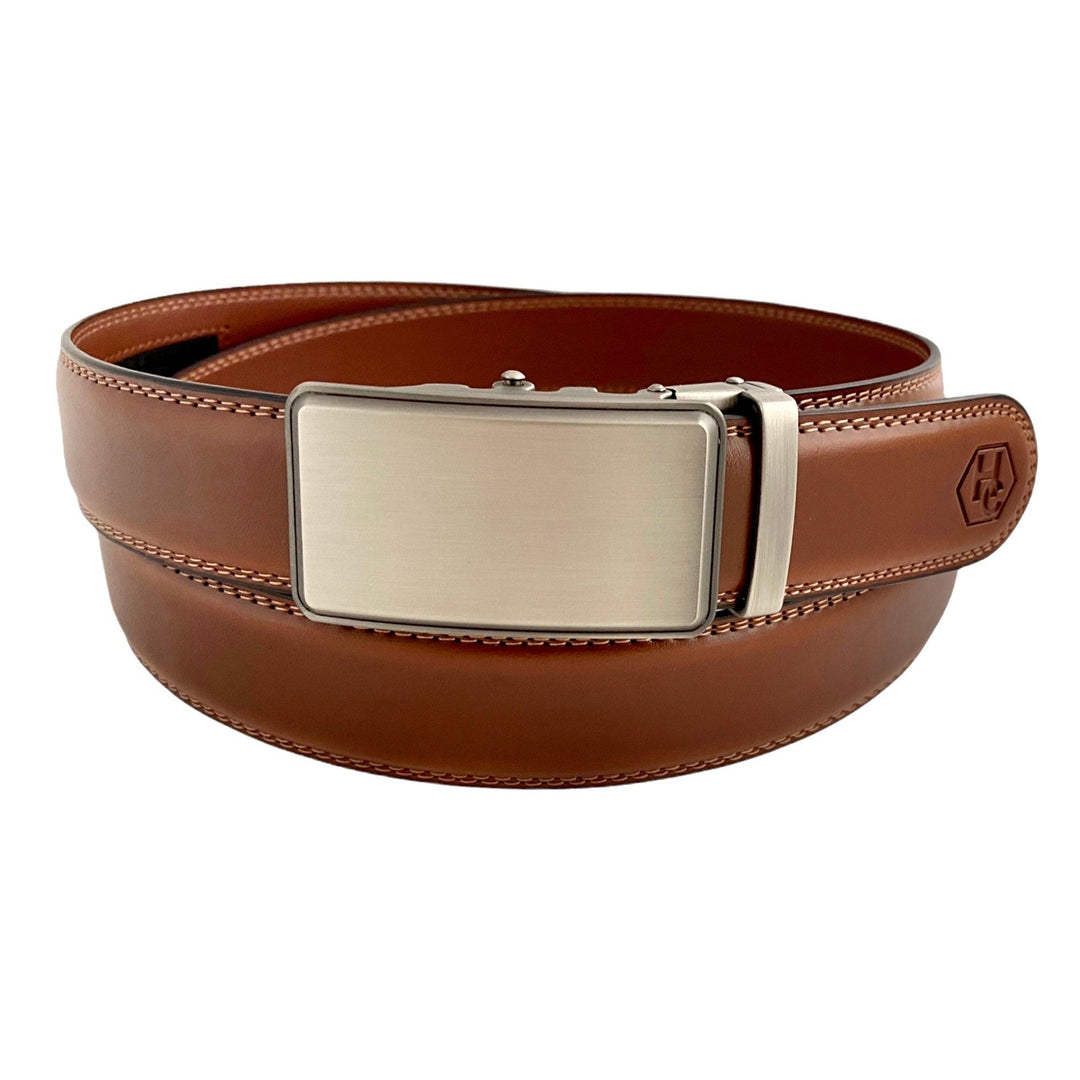
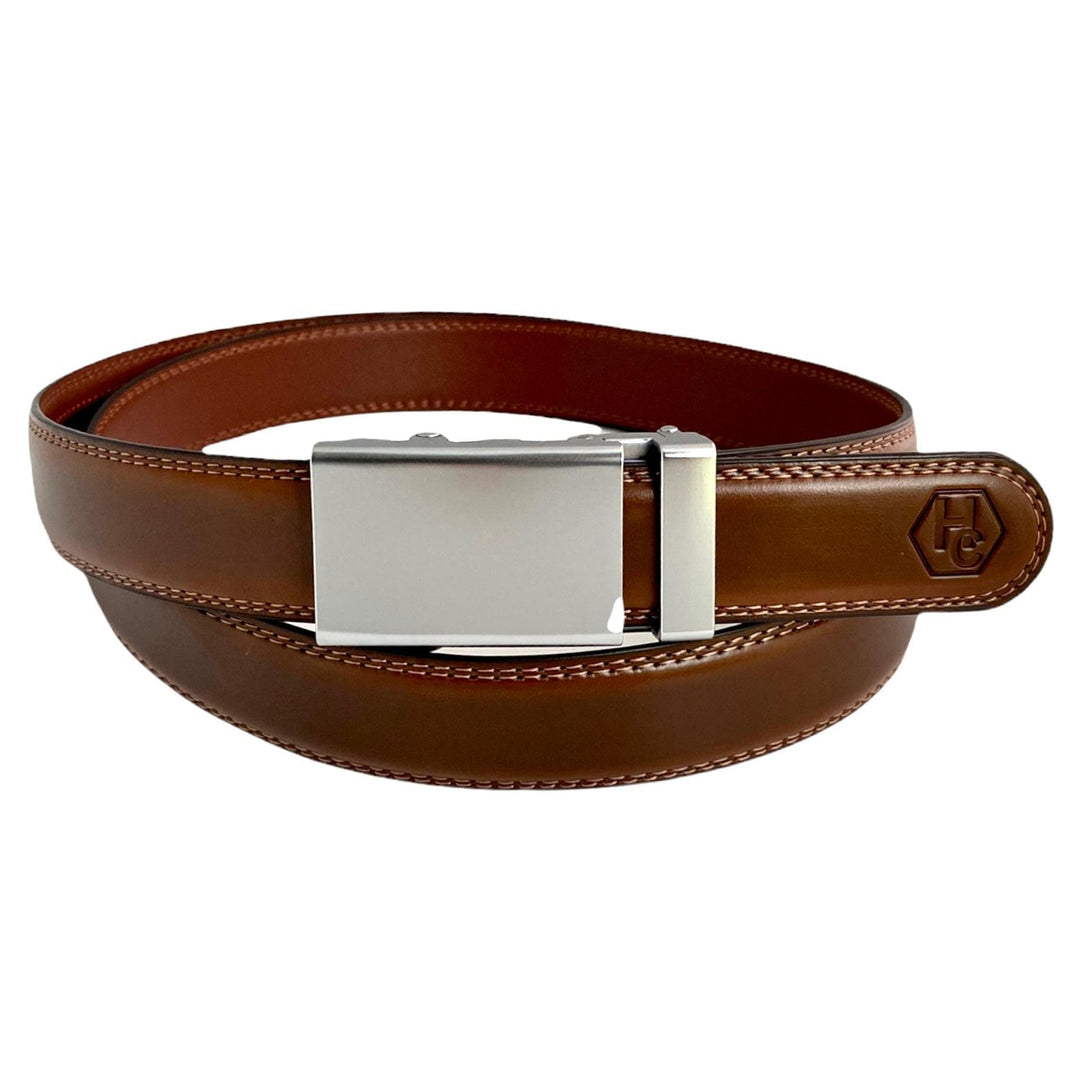
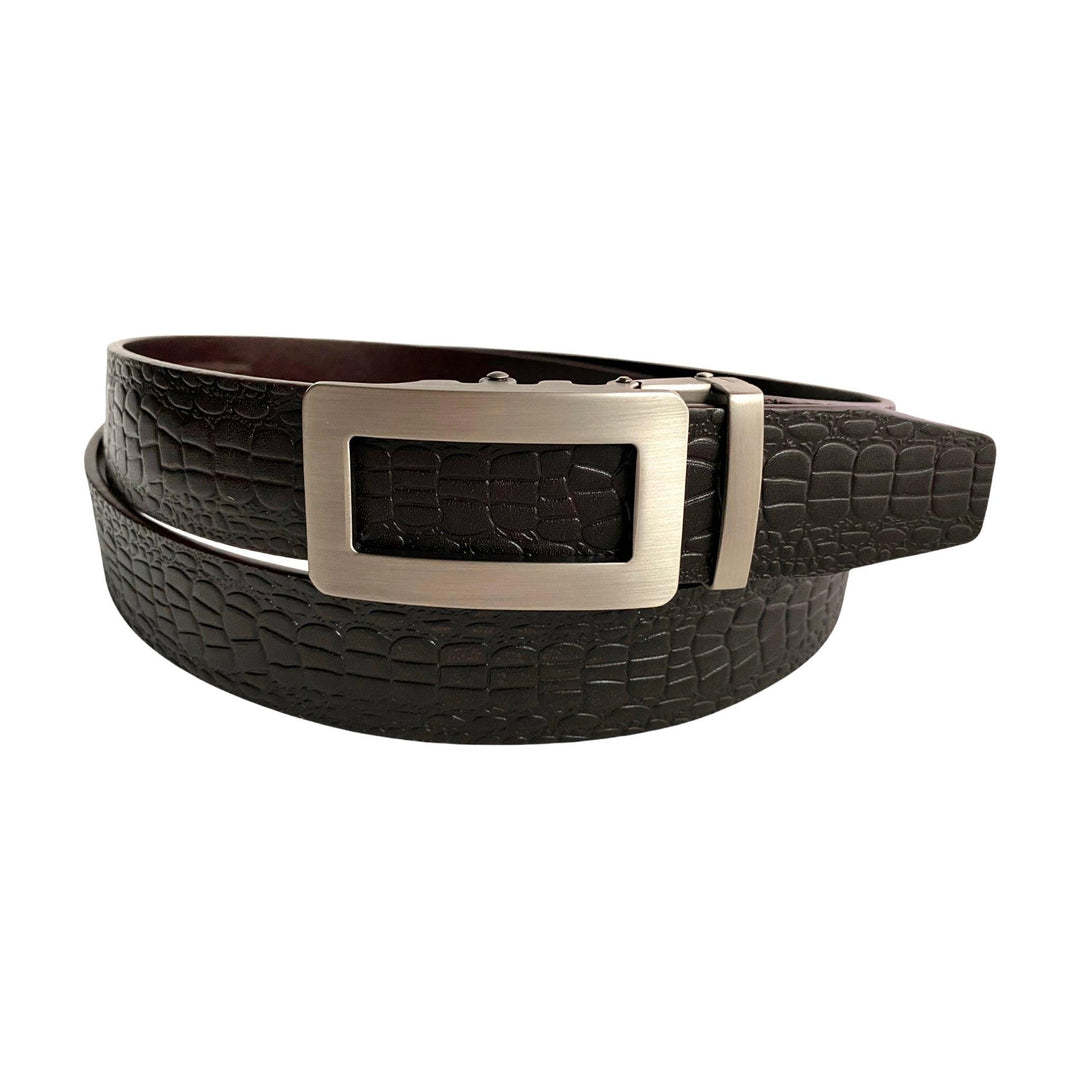
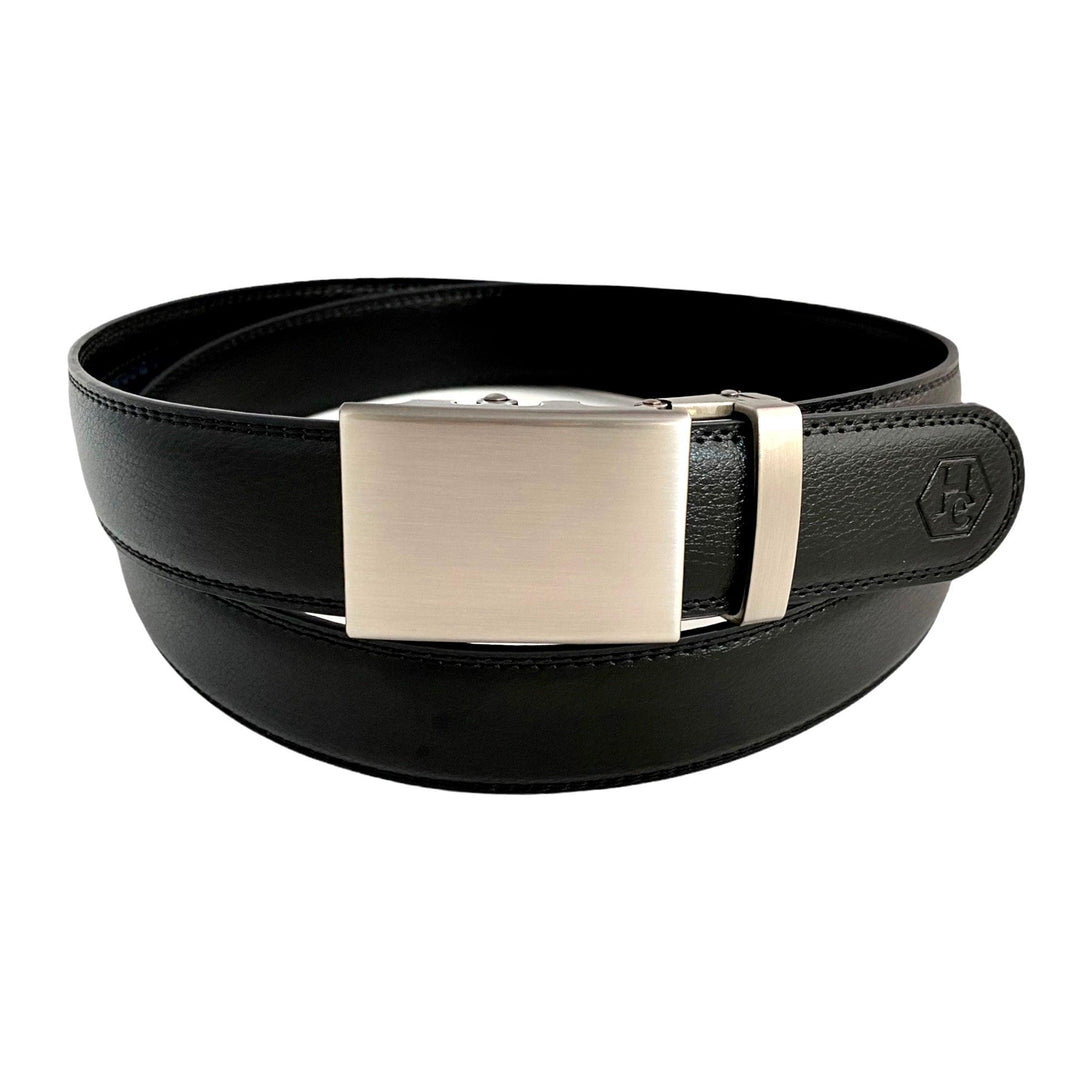
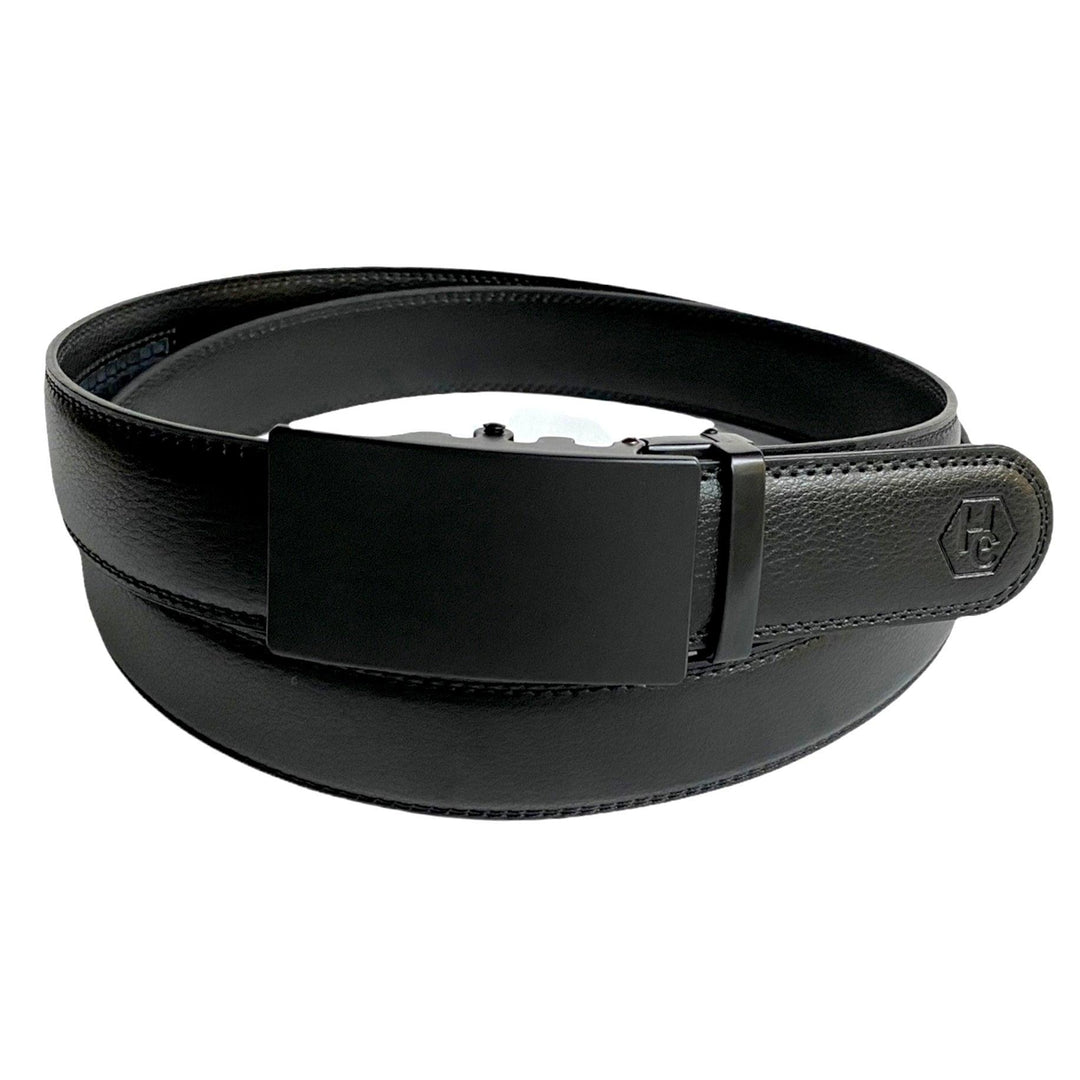
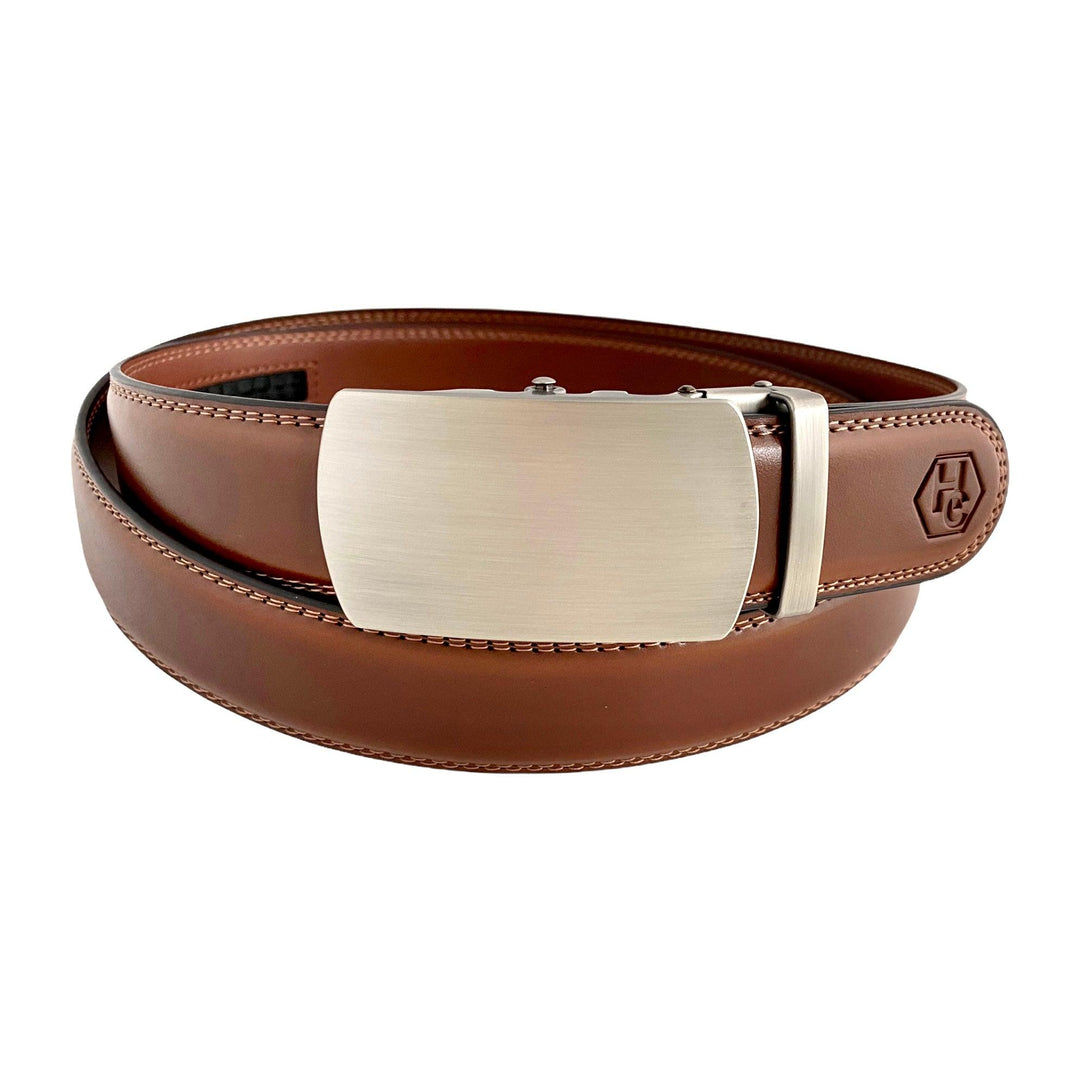
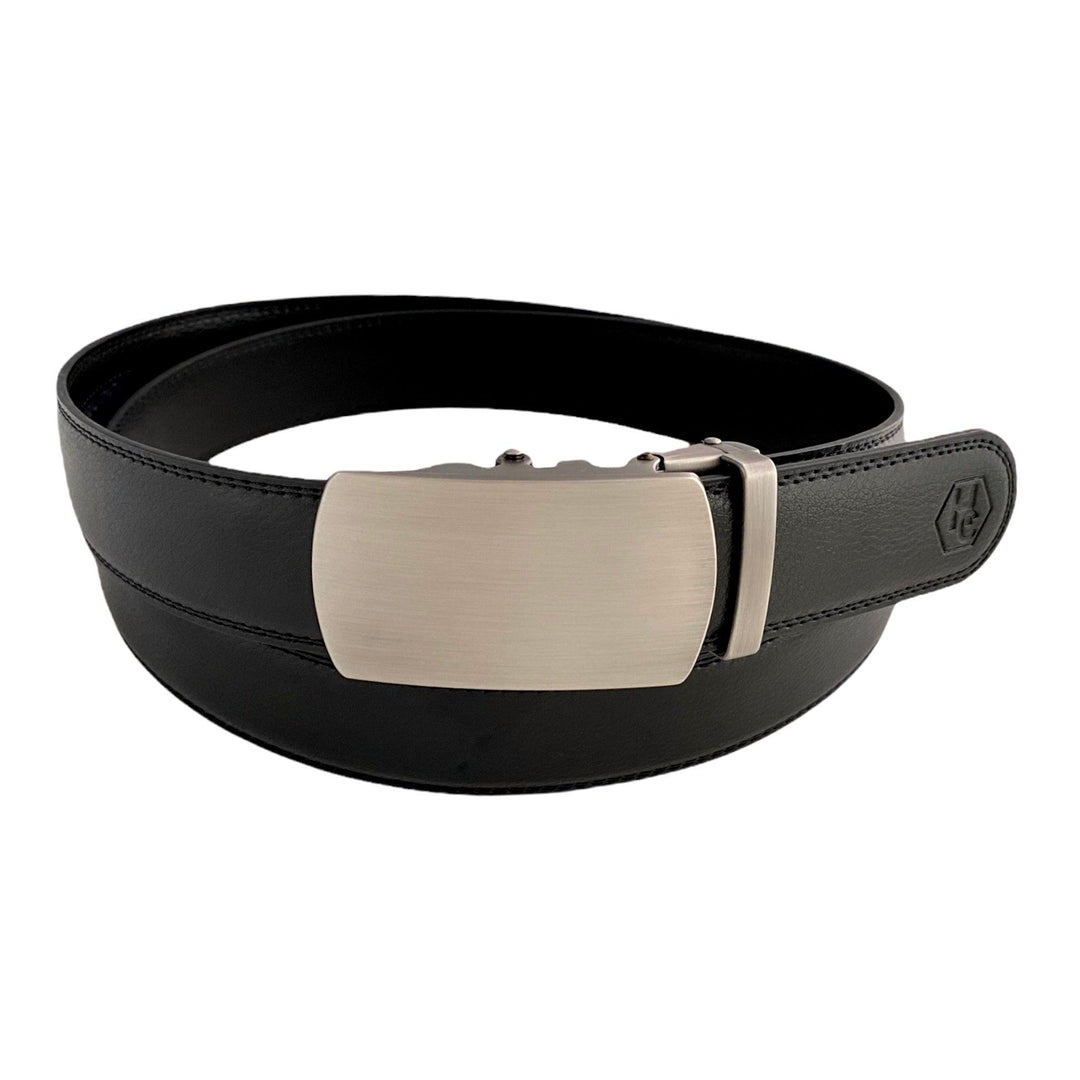
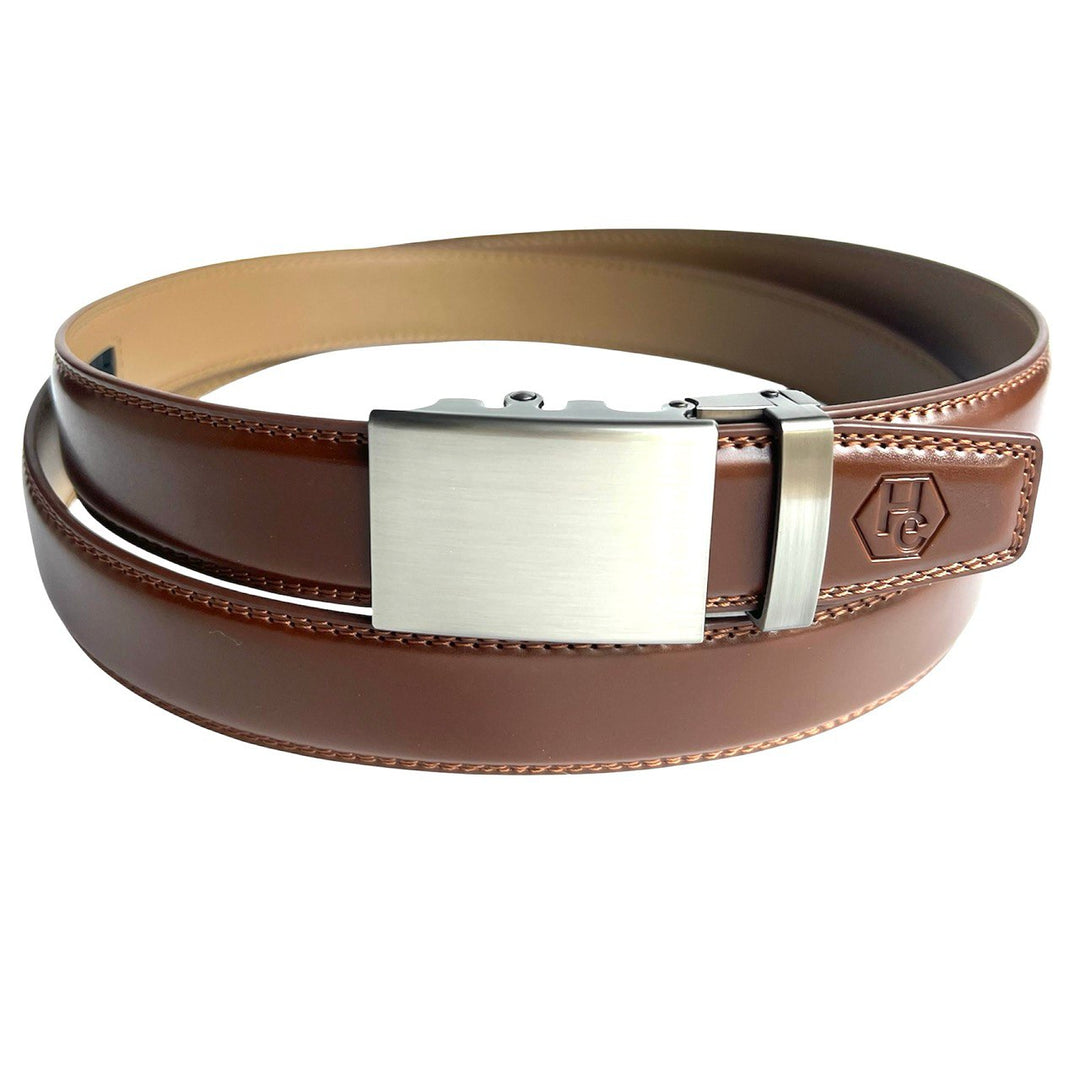
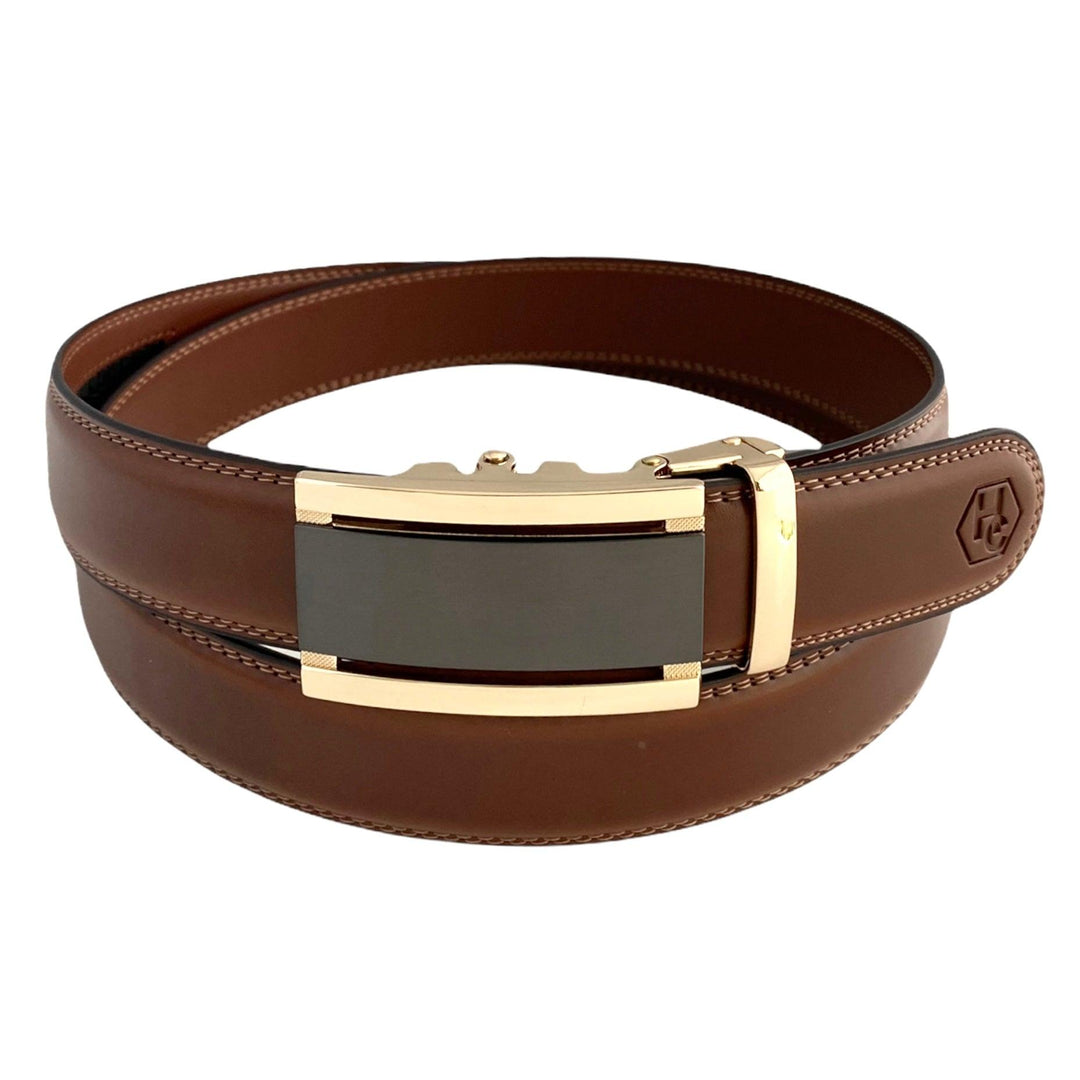
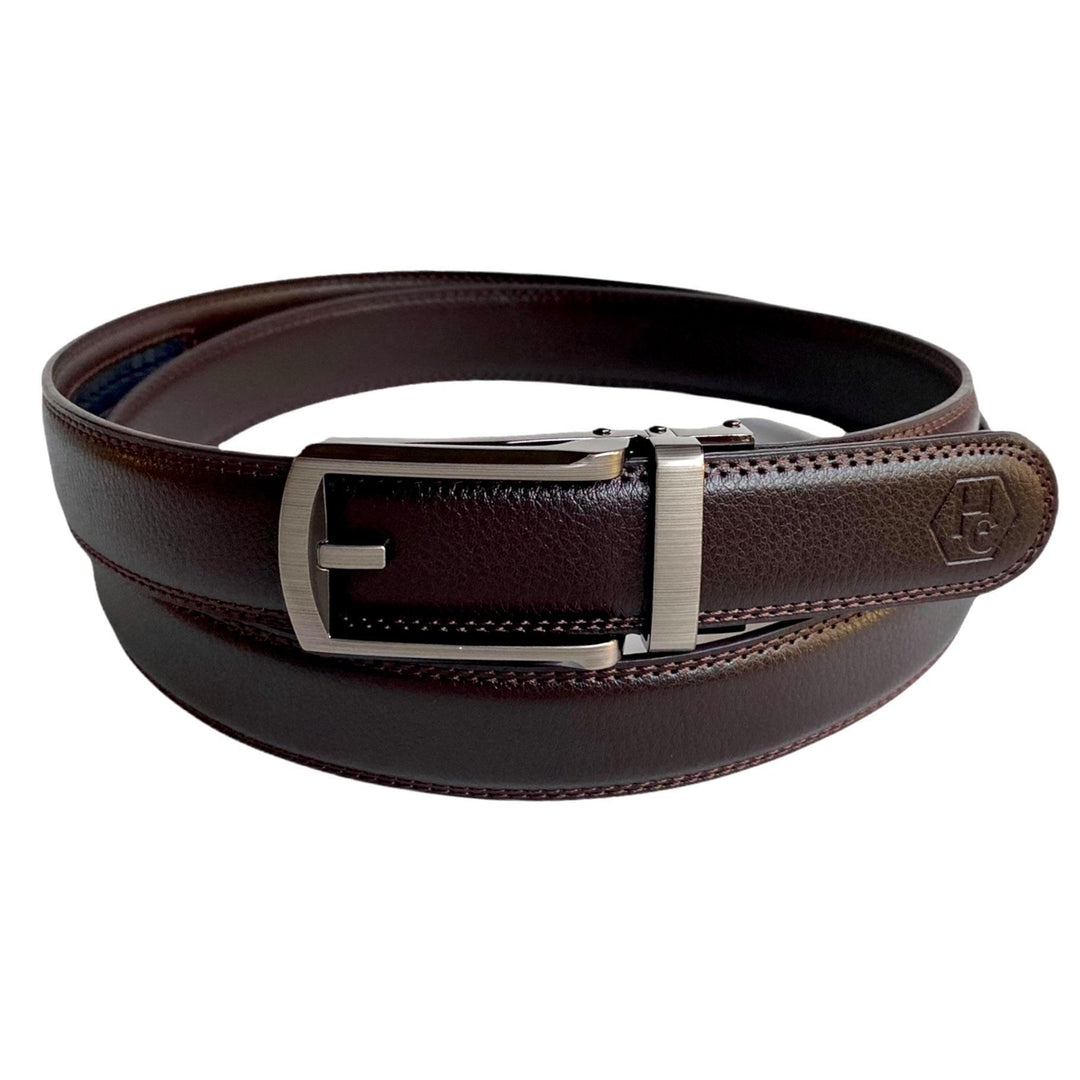
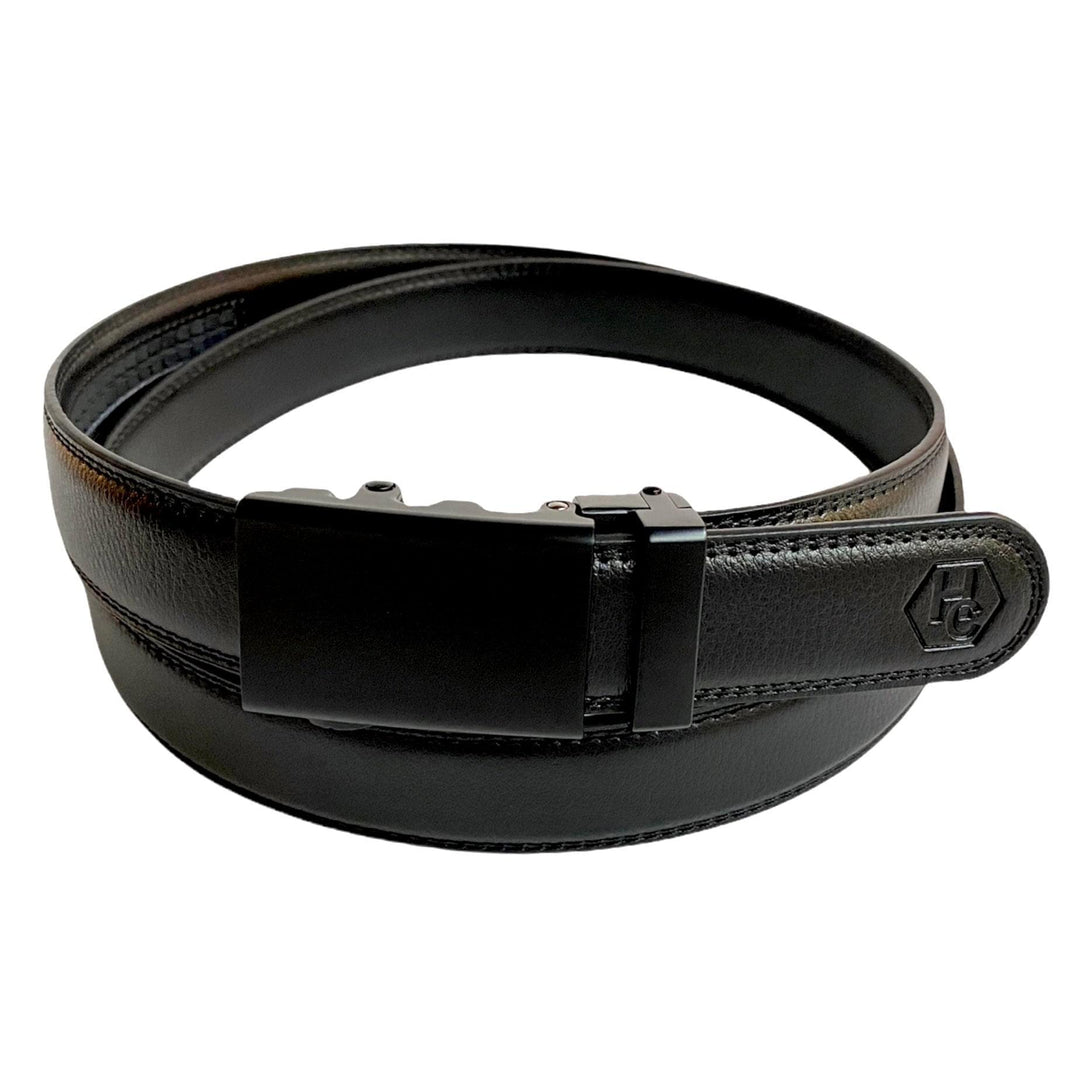
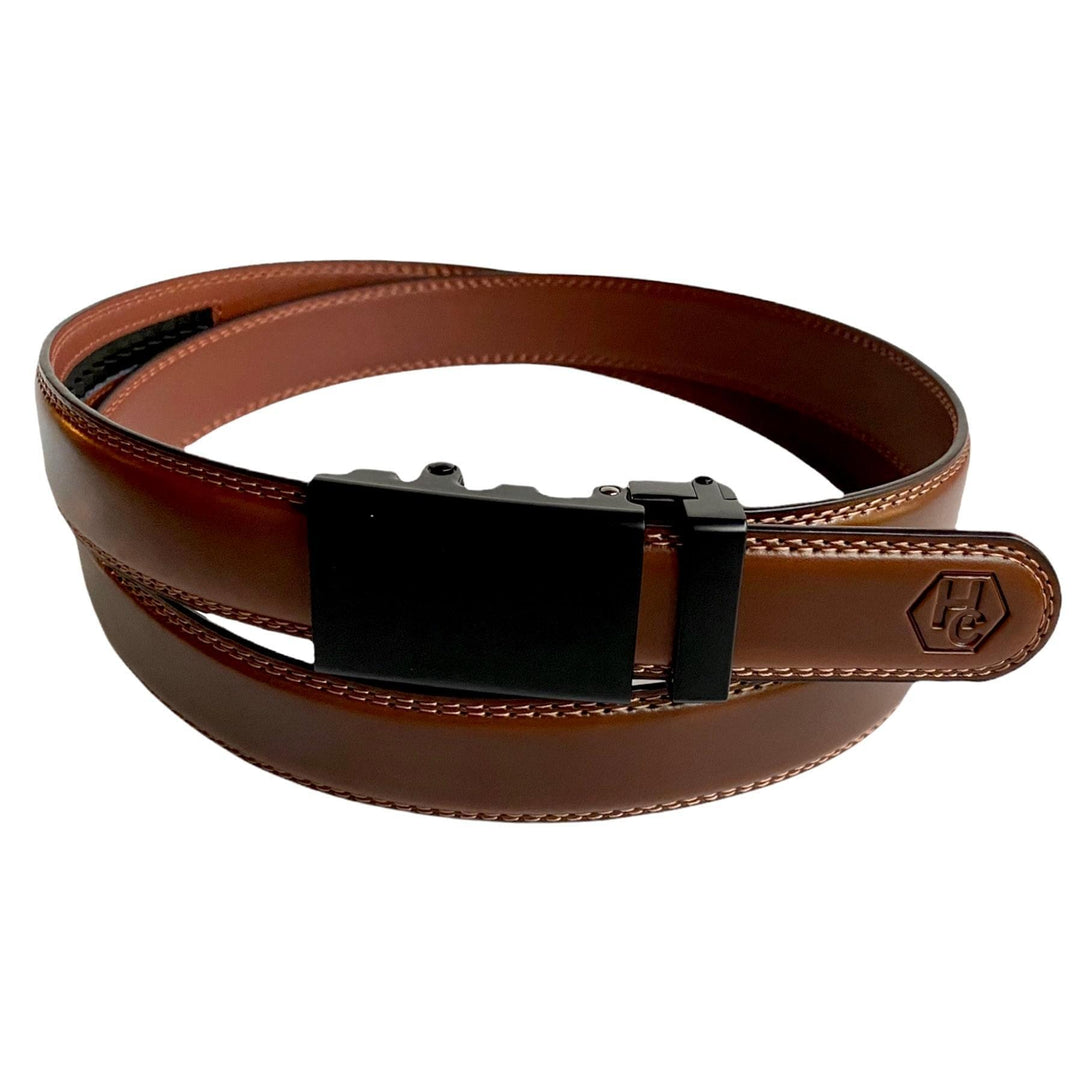
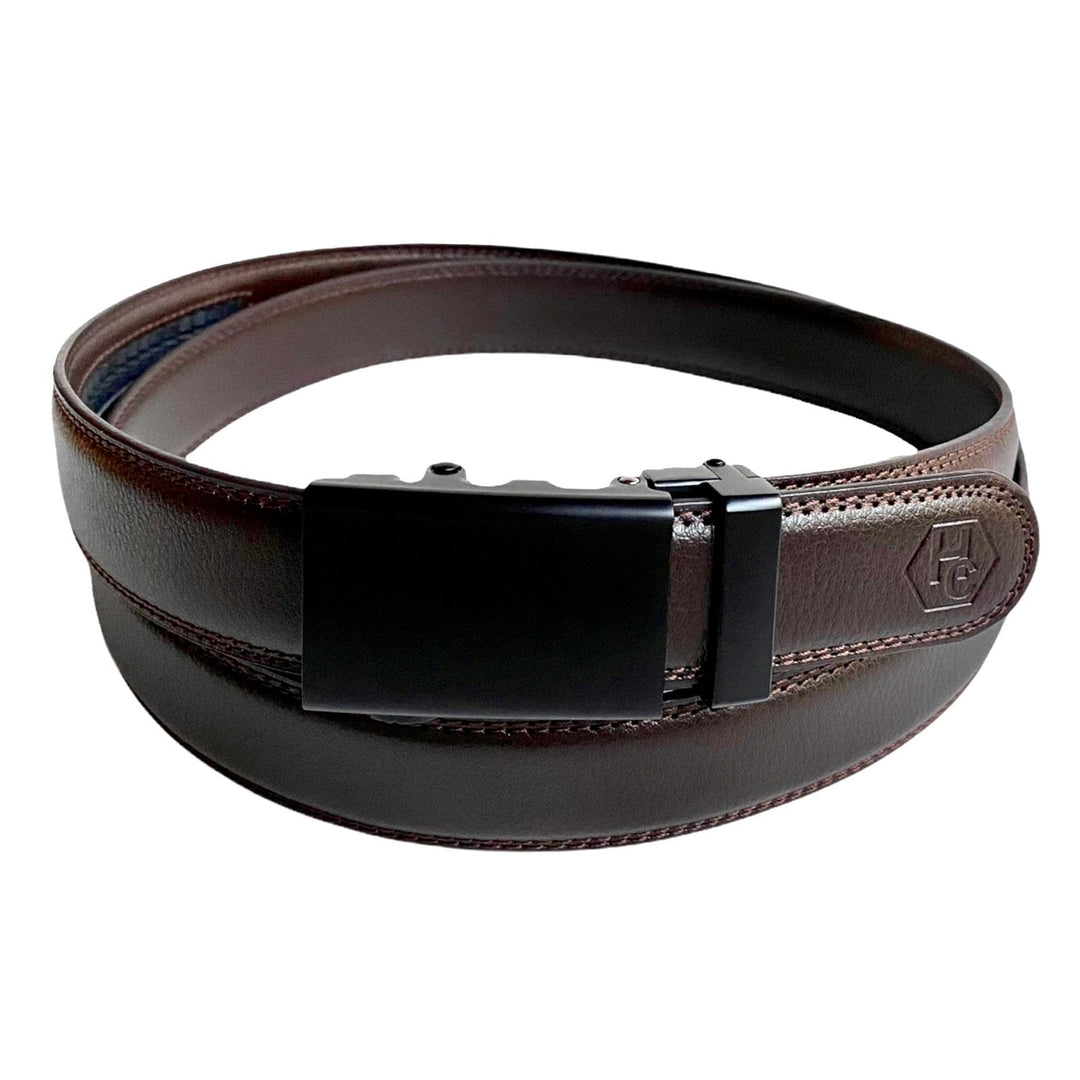
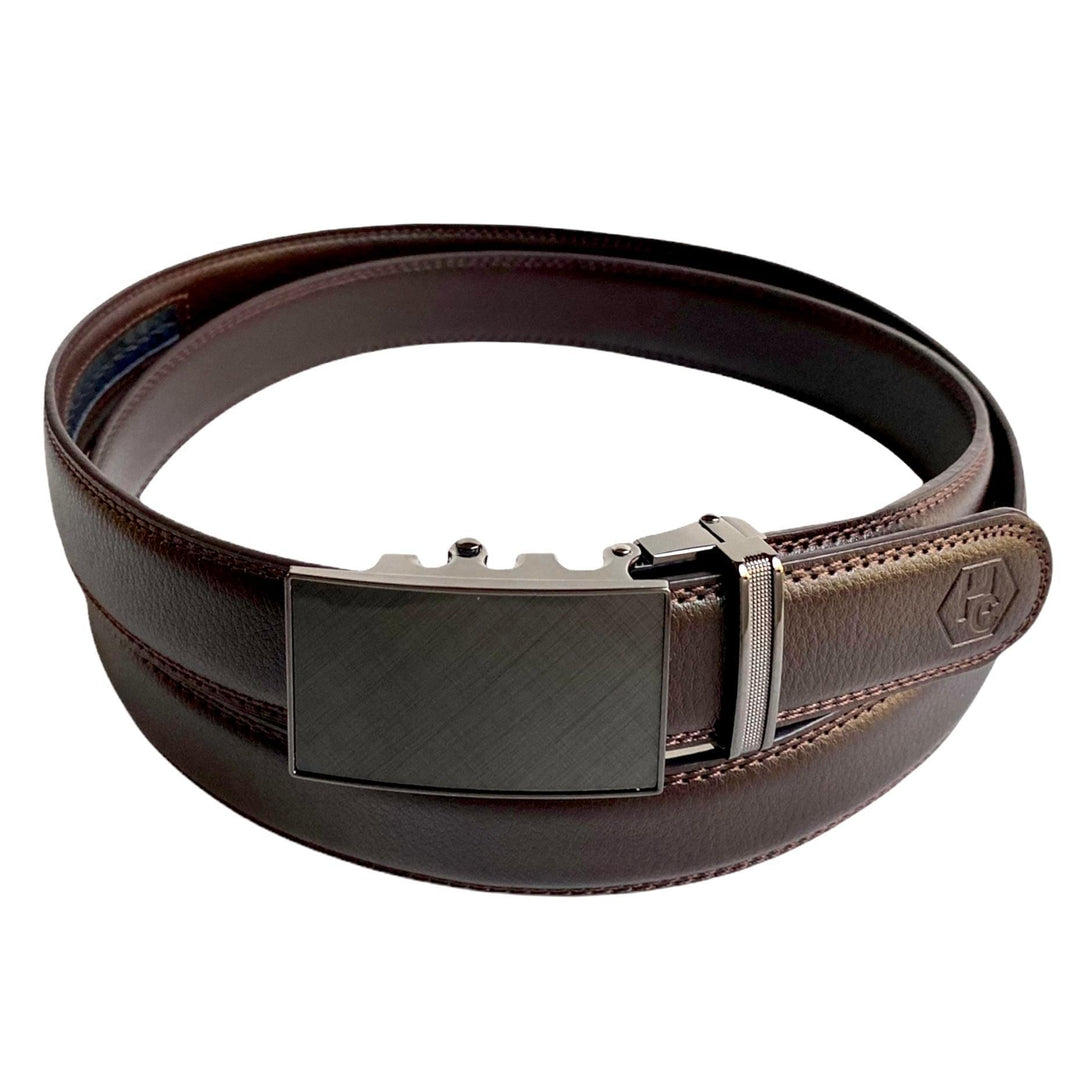
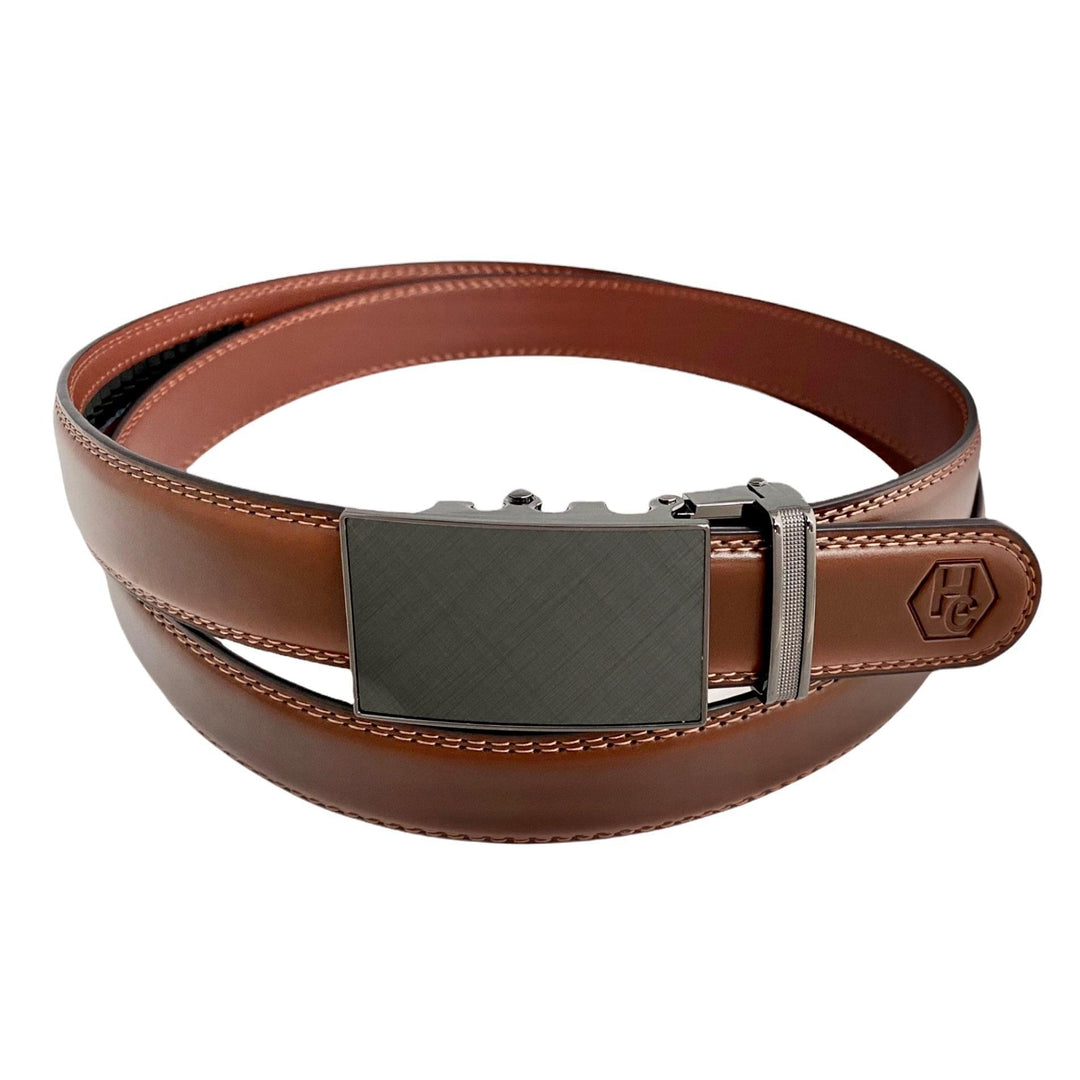
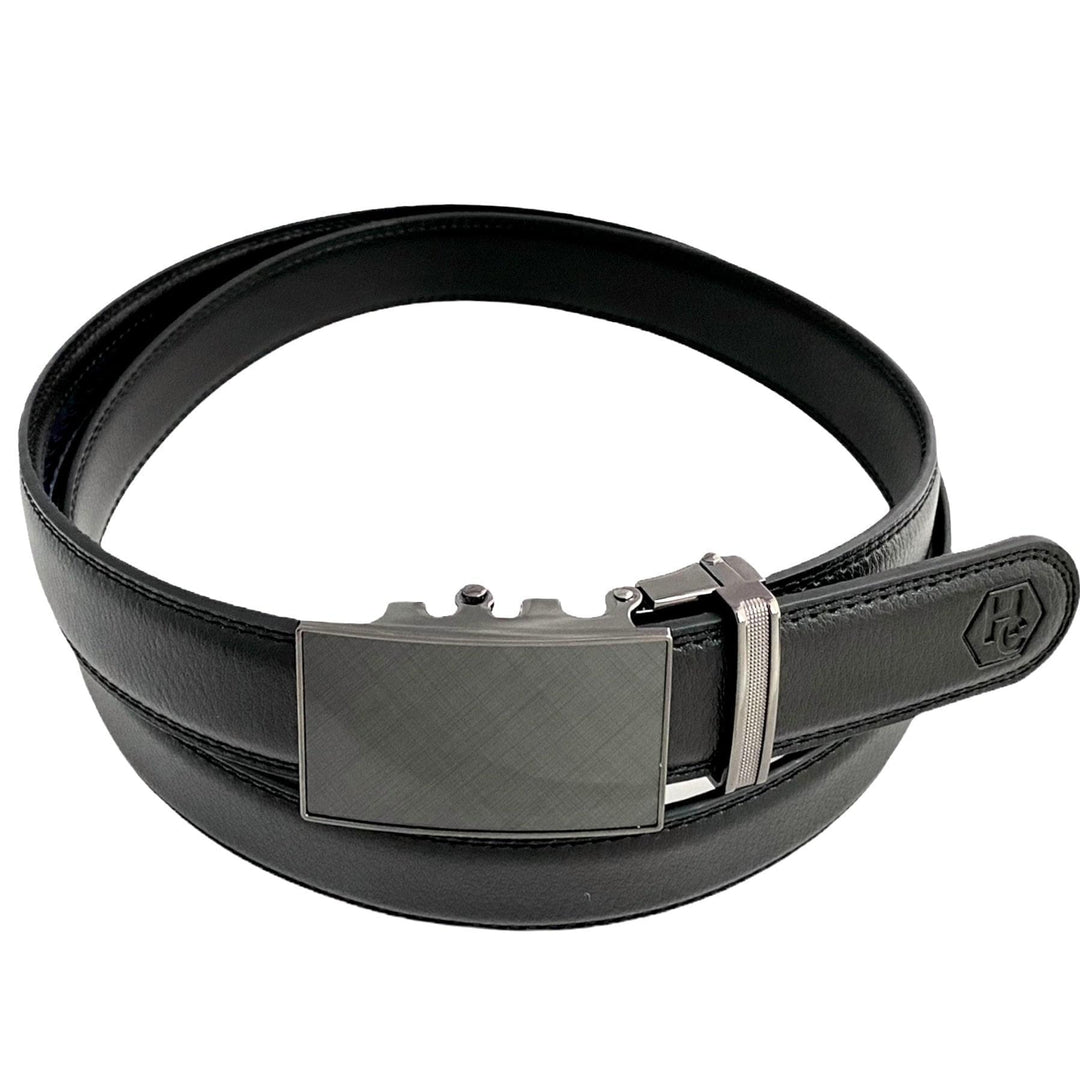
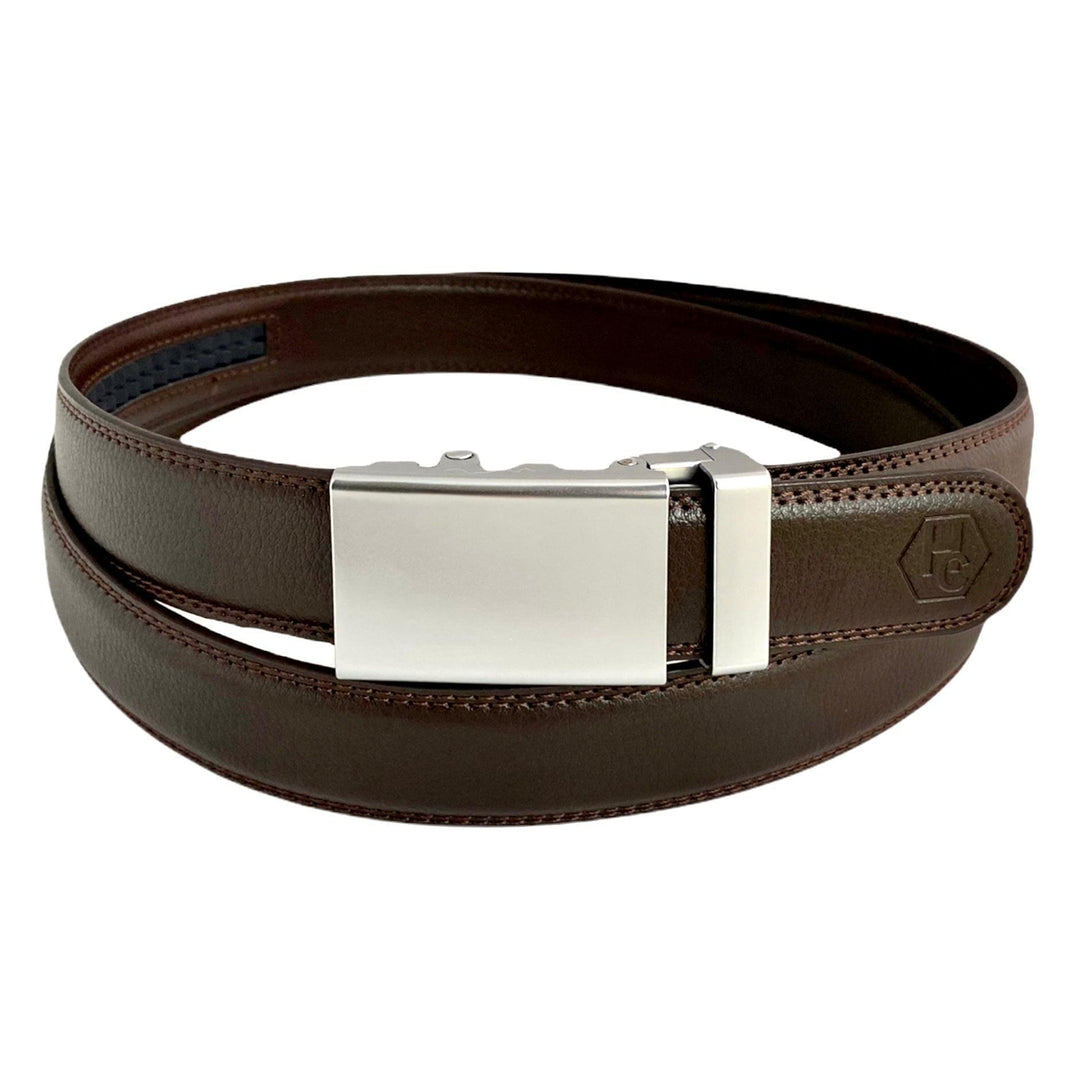
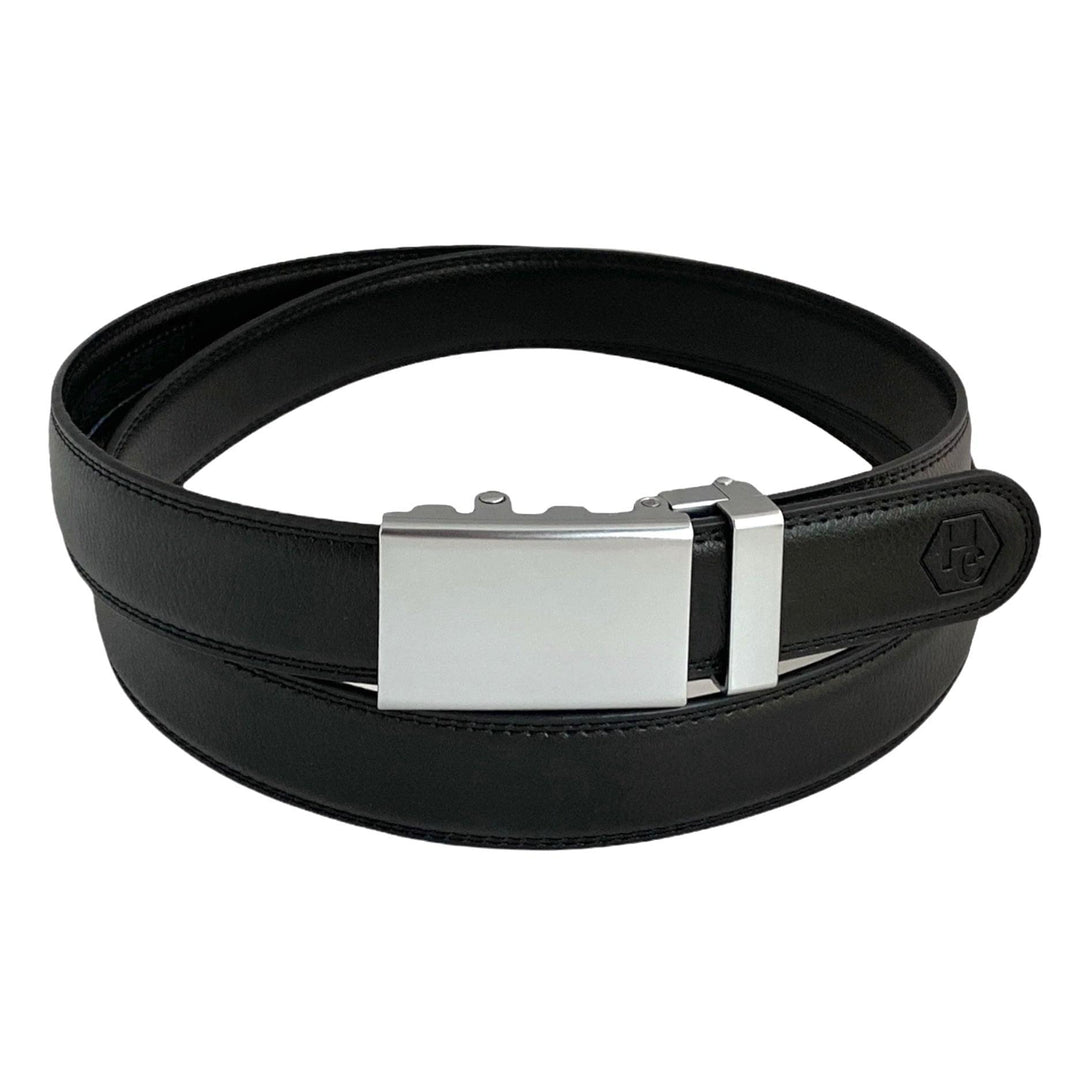
Ratchet Belts with Automatic Buckles for Precision Fit
Discover ratchet belts featuring premium track-and-pawl mechanisms that provide adjustment in quarter-inch increments rather than traditional one-inch hole spacing. Our collection uses hardened steel pawls, properly tempered springs, and full grain vegetable-tanned leather with precision-formed tracks for reliable engagement. Every automatic belt combines quality mechanism engineering with leather thick enough for durable track formation while maintaining the suppleness necessary for comfortable daily wear and smooth buckle operation. Whether you need a leather ratchet belt for professional settings, a mens ratchet belt for everyday versatility, or an automatic leather belt with sleek appearance, this collection focuses on mechanism reliability and material quality that prevent the premature failures characterizing budget ratchet systems.
The appeal of ratchet belt mechanisms extends beyond mere adjustment precision. The quarter-inch increments allow exact fit regardless of whether your waist measurement falls at standard hole positions, eliminating the compromise between too-tight and too-loose that traditional spacing often creates. The sleek appearance created by eliminating visible holes suits modern aesthetic preferences while the precision adjustment provides genuine comfort improvements for those who experience fit requirement changes throughout the day. However, mechanism quality determines whether these advantages materialize through years of reliable service or disappear within months as inferior components fail.
Understanding Ratchet Mechanism Quality
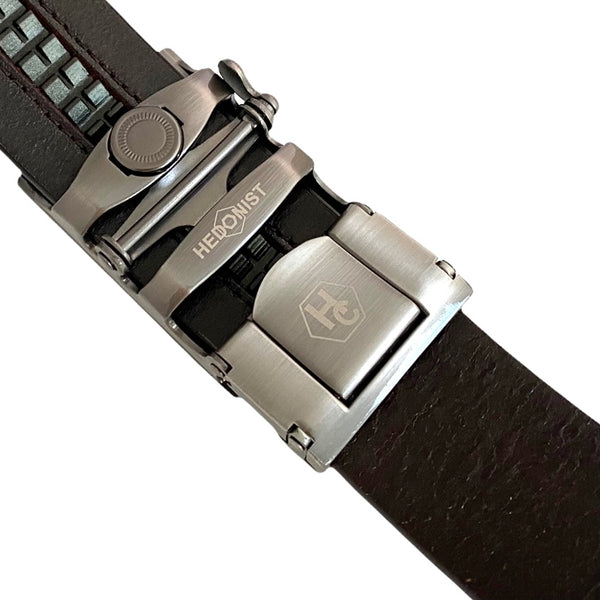
Premium ratchet mechanisms use hardened steel pawls with properly tempered springs manufactured from materials resistant to fatigue. The pawl shape distributes engagement force across multiple teeth simultaneously, preventing concentrated stress that would damage tracks or cause premature pawl wear. The buckle housing uses rigid construction maintaining precise component alignment despite years of daily buckling, release, and the tension created by holding garments in position. Release mechanisms operate smoothly with deliberate but not excessive force required for disengagement, balancing security against accidental release with ease of intentional operation.
Budget mechanisms cut costs through lighter-gauge materials, inadequate spring tempering, and less precise manufacturing tolerances. Pawls may be softer metal that wears quickly under repeated tooth engagement. Springs lose tension within months, causing progressive slipping that makes the belt unreliable for daily use. Housings flex, creating alignment issues that cause inconsistent engagement even when springs and pawls remain functional. These quality compromises create the dramatic reliability difference between premium and budget ratchet systems that becomes obvious through actual use.
The belt and ratchet integration requires precision track formation creating uniform teeth with consistent spacing and depth across the entire belt length. Each tooth must engage the pawl identically, preventing the inconsistent hold that causes slipping at specific track positions. Quality track formation firmly integrates teeth with the base leather rather than creating separate elements that could detach under the repeated stress of pawl engagement. This integration prevents track failure that would render the mechanism useless despite the pawl and spring remaining in good condition.
We test ratchet mechanism samples extensively before approving them for production. The difference between quality and cheap systems reveals itself immediately under repeated cycling. Premium mechanisms maintain consistent engagement through thousands of adjustments. Budget mechanisms show spring fatigue, pawl wear, or alignment drift within hundreds of cycles. The manufacturing cost difference is perhaps five to ten dollars. The performance difference determines whether your automatic belt works reliably for years or fails within months requiring complete replacement.
Leather Requirements for Ratchet Belt Construction
Full grain vegetable-tanned leather proves essential for ratchet belt construction because this material maintains structural integrity despite the interior surface modification required for track formation. The track teeth are formed through stamping or molding processes that compress the leather, creating raised teeth that engage the pawl mechanism. Lesser leather grades often separate into layers when this compression occurs, leading to delamination that destroys both track function and overall belt integrity.
Leather thickness for ratchet belts typically ranges from 3.5-4.5mm, providing adequate material depth for track tooth formation while leaving sufficient leather on the exterior surface to maintain strength and attractive appearance. This thickness also provides the rigidity necessary for reliable pawl engagement without excessive flex that would create inconsistent hold. The leather must simultaneously maintain suppleness allowing smooth threading through the buckle mechanism during adjustment, requiring careful material selection balancing these competing requirements.
The vegetable tanning process creates leather that remains comfortable during extended wear while accepting the track formation processes necessary for ratchet function. Chemical tanning produces leather faster and cheaper but often results in material that doesn't handle track formation well or develops stiffness that interferes with mechanism operation. The natural tanning process preserves flexibility while maintaining the strength necessary for durable track integrity through years of daily pawl engagement.
Edge finishing on ratchet belts must protect against moisture penetration that could cause leather swelling and track deformation while avoiding excessive buildup that would interfere with smooth buckle threading. Quality construction balances these requirements through multi-step finishing processes that seal edges without adding thickness that would impede mechanism operation. This attention to edge treatment prevents the moisture-related track problems that can develop in belts where finishing was inadequate or excessive.
Advantages of Automatic Belt Mechanisms
The primary advantage of mens automatic belts and womens automatic belts over traditional options is adjustment precision allowing exact fit regardless of standard hole position limitations. Quarter-inch increments mean you can achieve comfort impossible with one-inch spacing traditional belts provide. This precision matters particularly for those whose optimal fit falls between traditional holes, eliminating the discomfort compromise conventional spacing forces. The ability to make small adjustments throughout the day as comfort requirements change provides genuine practical benefit for those who wear belts during long days involving varied activities.
The clean aesthetic created by eliminating visible holes suits modern style preferences while maintaining more uniform appearance as the belt ages. Patina develops evenly across the smooth leather surface rather than concentrating at specific hole positions showing regular use. The sleek exterior contributes to refined look appropriate for professional and formal contexts where accessory details matter. For those building wardrobes emphasizing contemporary aesthetic, automatic buckle belts coordinate better with overall style direction than traditional construction might provide.
Ratchet mechanisms distribute engagement stress across the entire track rather than concentrating it at fixed hole positions. This can extend belt life by preventing the localized wear representing common failure mode in traditional construction where specific holes experience all the stress. However, this advantage materializes only with quality track formation and proper leather thickness. Poorly formed tracks or inadequate leather can experience wear across the entire surface, potentially creating different but equally problematic failure patterns.
Maintenance Requirements for Long-Term Reliability
Ratchet mechanisms require more attentive maintenance than traditional buckles to ensure sustained reliable function. The track teeth must be kept clean of debris, lint, and accumulated dirt that can interfere with pawl engagement. Regular cleaning involves wiping the interior track surface with slightly damp cloth monthly to remove contaminants before they build up sufficiently to affect mechanism operation. This maintenance discipline prevents most common function issues that develop when track contamination degrades engagement quality.
The buckle mechanism interior also benefits from periodic inspection and cleaning. Lint and debris can accumulate around the pawl and spring, potentially interfering with smooth operation or causing premature wear. Quality mechanisms design these areas to resist contamination, but no system proves completely immune to accumulation over extended use. Occasional compressed air cleaning or careful manual cleaning maintains optimal function, representing maintenance investment traditional buckles don't require but which proves necessary for ratchet reliability.
Leather conditioning for automatic leather belts must avoid product buildup on the track surface that could create slippery condition interfering with pawl engagement. Apply conditioner to the exterior surface only, keeping the interior track clean and dry. This targeted conditioning requires more care than traditional belts where the entire leather surface can be treated uniformly without concern for mechanism interference. The discipline of proper conditioning application prevents the engagement problems that can develop when conditioner migrates to track surfaces.
Customer feedback on ratchet belts divides clearly between those who maintain the mechanisms properly and those who don't. Maintained belts report years of reliable service with consistent engagement matching new belt performance. Neglected belts develop slipping issues within months as track contamination degrades function or inadequate cleaning allows debris to damage mechanism components. The maintenance requirement isn't burdensome but it is real and non-negotiable for anyone wanting sustained reliable operation from automatic belt systems.
Choosing Between Ratchet and Traditional Belt Mechanisms
Ratchet belts prove most valuable when precision fit matters enough to justify the increased complexity and maintenance requirements. This typically applies to those whose optimal fit falls between traditional hole positions, forcing uncomfortable compromise with standard spacing. For those who adjust belt tightness frequently throughout the day or who value the clean aesthetic of hole-free leather surfaces, ratchet mechanisms provide genuine advantages that traditional construction cannot match.
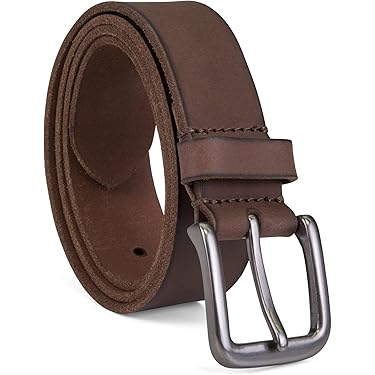
However, traditional pin buckle belts offer simplicity advantages through fewer components and minimal maintenance requirements. For those prioritizing reliability through mechanical simplicity or whose measurements fall near standard hole positions making precision adjustment unnecessary, traditional construction provides proven performance without the potential failure modes ratchet complexity introduces. The decision should follow from honest assessment of whether you'll actually use and maintain the features ratchet mechanisms provide rather than choosing based on novelty or theoretical advantages that don't align with your actual wearing patterns.
Budget constraints also influence appropriate choice. Quality ratchet construction costs more than quality traditional belts due to mechanism complexity and precision manufacturing requirements. When budget limitations prevent choosing premium ratchet construction, a well-made traditional belt represents wiser investment than budget automatic option with inferior mechanism that will fail quickly. The added cost of ratchet systems proves worthwhile only when premium mechanisms and proper leather deliver the reliability and longevity that justify the investment.
Men's and Women's Ratchet Belt Options
Mens ratchet belts typically use standard widths from 1.25 to 1.5 inches coordinating with men's pant belt loops and professional aesthetic expectations. The mechanisms accommodate these widths while maintaining slim profile appropriate for business and casual contexts. Leather finishes range from smooth dress leather in black and brown for professional use to more casual textures and colors for everyday wear. Browse our complete leather belts collection to compare ratchet options with traditional formats.
Womens ratchet belts include narrower options from 0.75 to 1.25 inches suiting women's garment proportions and style preferences alongside standard widths for those wanting more substantial waist definition. The precision adjustment proves particularly valuable for women whose clothing uses varying rise positions creating different belt size requirements across outfits. The ability to achieve exact fit regardless of rise position eliminates the need for multiple belt sizes serving different garment styles. View our women's belts collection for size-appropriate options across different widths and buckle styles.
Why Choose Our Ratchet Belts
Every ratchet belt in this collection uses premium mechanisms tested extensively for reliability before approval for production. The hardened steel pawls, properly tempered springs, and rigid housings maintain consistent engagement through thousands of adjustment cycles rather than developing the slipping issues characterizing budget systems. The full grain vegetable-tanned leather provides appropriate thickness for durable track formation while maintaining suppleness necessary for comfortable wear and smooth mechanism operation.
Free personalization through hot stamping adds individual significance to functional accessories, with initials or meaningful dates appearing on interior surfaces visible to you while maintaining the clean exterior aesthetic ratchet design emphasizes. Being a small business means direct accountability for mechanism performance and product quality standards that prioritize long-term reliability over manufacturing cost minimization. The ratchet mechanisms we use represent the quality tier that justifies choosing automatic systems over simpler traditional alternatives through delivering genuine precision adjustment benefits reliably over years of daily use.